What is an Energy Efficient Heat Pump and How Does it Work?
The energy crisis has sparked a growing interest in renewable technologies. Among them, the Energy Efficient Heat Pump stands out for its dual functionality. According to the U.S. Department of Energy, heat pumps can provide up to three times more heating or cooling than the electricity they consume. This impressive efficiency can lead to significant cost savings for homeowners.
Despite the advantages, many consumers remain unaware of how these systems operate. Energy Efficient Heat Pumps transfer heat rather than generating it. This process utilizes a refrigeration cycle, making them versatile for various climates. Research from the International Energy Agency indicates that heat pumps could reduce global CO2 emissions by up to 700 million tons annually.
However, there are challenges. Installation costs can be higher than traditional systems. Additionally, not all homes are suited for every type of heat pump. This inconsistency can lead to inefficient usage, potentially overshadowing the benefits. Understanding these nuances is essential for anyone considering an Energy Efficient Heat Pump as a viable solution for heating and cooling needs.
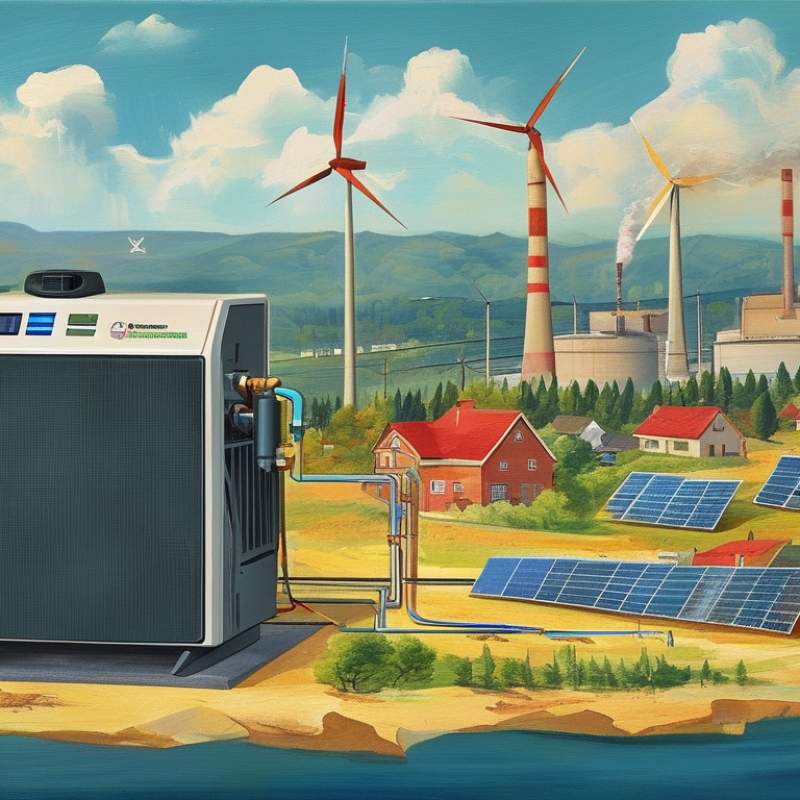
What is an Energy Efficient Heat Pump?
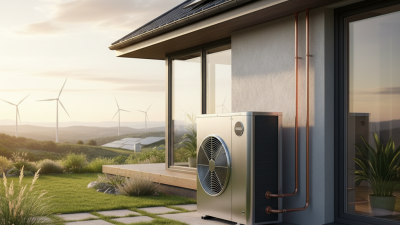
An energy-efficient heat pump is a device that transfers heat rather than generates it. It uses electricity to move heat from one place to another. These systems can either heat or cool a space, depending on the season. In fact, the U.S. Department of Energy reports that heat pumps can reduce energy consumption by up to 50% compared to conventional heating methods.
The efficiency of heat pumps is often measured by their Heating Seasonal Performance Factor (HSPF). A higher HSPF indicates better energy efficiency. Models with an HSPF rating of 8 or above are considered highly efficient. This efficiency can lead to significant energy savings, especially in moderate climates. However, performance can drop in extreme temperatures. Cold weather reduces the heat pump's effectiveness, requiring backup systems for heating needs.
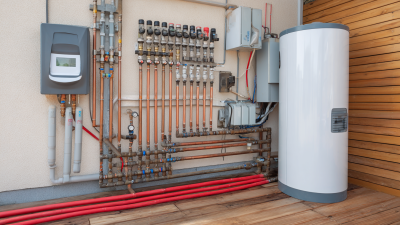
Installation is crucial for optimal performance. A poorly installed heat pump may not operate as efficiently as it should. Regular maintenance is also necessary to sustain energy efficiency. This includes checking refrigerant levels and cleaning filters. While energy-efficient heat pumps are promising, they require careful consideration of local climate and installation quality.
Key Components of an Energy Efficient Heat Pump
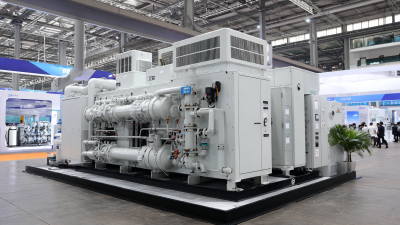
Heat pumps are becoming essential in energy-efficient heating and cooling systems. Understanding their key components is crucial for homeowners and builders alike. The main components include the compressor, evaporator, condenser, and expansion valve. Each part plays a unique role in circulating refrigerant and transferring heat. According to the U.S. Department of Energy, heat pumps can be up to 300% more efficient than traditional heating methods.
The compressor is vital. It compresses the refrigerant, raising its pressure and temperature. This allows heat to be released in the condenser. The evaporator absorbs heat from the outside air or ground, making it essential for heat transfer. An efficient heat pump can maintain a coefficient of performance (COP) exceeding 3.0. This means that for every unit of electricity used, the system delivers three units of heating or cooling.
However, not all heat pumps are created equal. Seasonal performance can vary based on installation and maintenance. Consumers should be aware that factors like climate and energy source play a critical role. Understanding these complexities can lead to better decisions. Keeping systems well-maintained is also necessary for optimal efficiency. Regular checks and system updates may seem tedious, but they significantly impact overall performance.
How Does an Energy Efficient Heat Pump Operate?
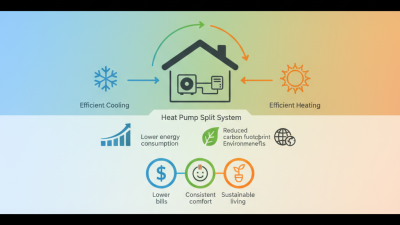
An energy-efficient heat pump operates by transferring heat rather than generating it. This system takes heat from the air, ground, or water and moves it into your living space during cold months. In warmer seasons, it reverses the process, extracting heat from your home and releasing it outside. This dual capability makes heat pumps versatile.
One key element is refrigerant circulation. The refrigerant absorbs heat at low temperatures, then compresses to increase its temperature. This hot gas flows through coils to release heat indoors. The entire process can seem complex, but understanding it highlights the technology's efficiency.
Despite the advantages, heat pumps may underperform in extremely cold climates. In such scenarios, supplemental heating might be necessary. This situation requires thoughtful planning and installation to ensure reliability. Proper sizing and placement can influence efficiency significantly. Real-world conditions also vary, impacting performance. Balancing these factors can be challenging for homeowners.
Benefits of Using Energy Efficient Heat Pumps
Energy efficient heat pumps offer a compelling solution for home heating and cooling. These systems can provide significant savings on energy bills, with reports indicating that they can reduce energy consumption by up to 50% compared to traditional heating methods. Such efficiency stems from their ability to transfer heat instead of generating it, utilizing electricity more effectively.
The benefits of energy efficient heat pumps extend beyond cost savings. They often result in lower greenhouse gas emissions, making them an environmentally friendly option. According to the U.S. Department of Energy, heat pumps can reduce carbon emissions by 30% or more compared to fossil fuel-based heating. This not only conserves energy but also aligns with global efforts to combat climate change.
However, it’s essential for homeowners to consider their specific needs before installing a heat pump. Factors like geographical location and building insulation influence the effectiveness of these systems. While heat pumps are versatile, they may not perform optimally in extremely cold climates without supplemental heating. Evaluating these factors is crucial for maximizing efficiency and ensuring long-term savings.
Comparing Energy Efficient Heat Pumps to Traditional Heating Systems
When it comes to heating systems, energy efficient heat pumps offer significant advantages over traditional options. A report from the U.S. Department of Energy indicates that heat pumps can provide up to three times more heat energy than the electrical energy they consume. This high coefficient of performance (COP) makes heat pumps a compelling choice for homeowners looking to reduce energy costs. They function by transferring heat rather than generating it, which enhances their efficiency considerably.
Traditional heating systems often rely on combustion or electric resistance, which can lead to higher energy expenditures. In contrast, heat pumps utilize refrigerant cycles to extract heat from the air or ground. This technology not only lowers energy bills but also has a smaller carbon footprint. According to the International Energy Agency, wide adoption of heat pumps can potentially reduce global CO2 emissions by up to 1.5 gigatons annually.
However, it's important to note that heat pumps may not perform equally well in extremely cold climates. Their efficiency can drop as temperatures fall, necessitating a backup heating system in some regions. This represents a consideration for homeowners contemplating a switch. While energy efficient, heat pumps require careful evaluation based on local climate conditions to maximize their potential benefits.