How to Choose the Best Air Energy Heat Pumps for Your Needs?
Choosing the best Air Energy Heat Pumps is crucial for achieving optimal energy efficiency in your home. According to the U.S. Department of Energy, heat pumps can reduce energy consumption by up to 50% compared to traditional heating methods. This significant reduction not only lowers utility bills but also decreases environmental impact.
However, selecting the right model requires careful consideration of your unique needs. Various factors, such as climate, home size, and existing insulation, play a vital role in determining the most suitable heat pump for your situation. A 2022 report from the International Energy Agency emphasized that proper sizing and installation are critical for maximizing the efficiency of Air Energy Heat Pumps.
What’s more, not all models are equal. With numerous brands and technologies in the market, it can be overwhelming. It is important to consult expert reviews and performance ratings. Be mindful that even reputable models may have limitations. Reflecting on these aspects can lead to more informed decisions for home comfort and sustainability.
Understanding Air Energy Heat Pumps: Basics and Benefits
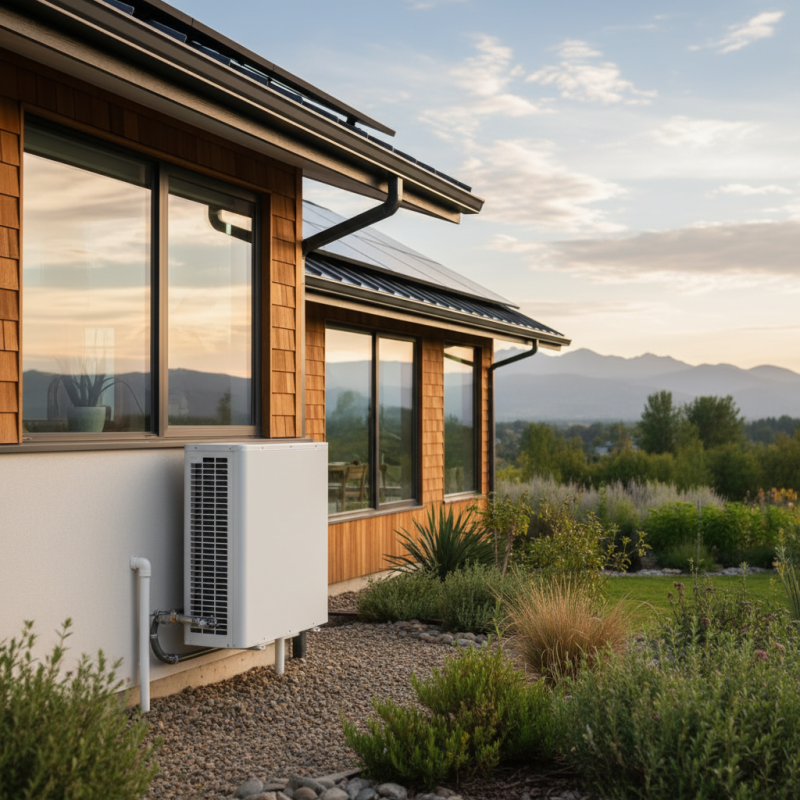
Air energy heat pumps are an efficient energy solution. They use the ambient air to heat or cool your space. Understanding their basics helps you make informed decisions. These systems work by transferring heat rather than generating it. This means lower energy consumption and reduced utility bills.
The benefits of air energy heat pumps are significant. They reduce your carbon footprint, making them environmentally friendly. They can operate in various climates, providing warmth in winter and cool air in summer. Despite these advantages, they come with challenges. Performance may decline in extreme temperatures. Yet, for many homeowners, they are a worthwhile investment.
When considering air energy heat pumps, assess your specific requirements. Not all systems suit every space. Size plays a crucial role; an oversized unit can waste energy. Professional advice can help clarify your options. Do thorough research, and examine installation costs. A good system suits your needs and lifestyle.
Evaluating Your Home’s Heating and Cooling Needs
When evaluating your home’s heating and cooling needs, understanding your home’s unique characteristics is crucial. Start by assessing insulation quality. A well-insulated home maintains temperature better. The U.S. Department of Energy indicates that proper insulation can enhance energy efficiency by up to 20%.
Next, consider the size and layout of your home. Larger spaces may require multiple units or a more robust system. A study by the Air-Conditioning, Heating, and Refrigeration Institute (AHRI) highlights that improperly sized units can lead to 30% higher energy consumption. Use square footage to estimate the capacity needed.
Another aspect is climate. Colder regions may benefit from specific heat pump types. They can perform less efficiently in extreme temperatures. However, advancements in technology have improved their performance. Always review performance ratings and efficiency metrics before making a decision. This thorough evaluation can prevent costly mistakes and ensure your choice meets your home’s demands effectively.
How to Choose the Best Air Energy Heat Pumps for Your Needs?
| Criteria |
Description |
Importance (1-5) |
| Heating Capacity |
The amount of heat the pump can produce to meet your home’s demand. |
5 |
| Energy Efficiency Ratio (EER) |
Measures the efficiency of heating and cooling produced per unit of energy consumed. |
5 |
| Noise Levels |
How much noise the heat pump produces during operation. |
4 |
| Size and Installation |
Space needed for the unit and complexity of installation in your home. |
4 |
| Rebates and Incentives |
Available government or utility financial incentives for installation. |
3 |
| Warranty and Support |
Type and duration of warranty, and availability of customer support. |
4 |
| Price |
Overall cost of the unit and installation. |
5 |
Key Features to Consider When Choosing Heat Pumps
When choosing an air energy heat pump, several key features should guide your decision. One crucial factor is the unit’s energy efficiency rating. Higher ratings indicate better performance and lower energy bills. Look for the Seasonal Coefficient of Performance (SCOP) number; a higher SCOP translates to more efficient heating.
Another important aspect is the heat pump's capacity. It must match the size of your space. If it's too small, you won’t stay warm in winter. Conversely, an oversized unit can lead to increased wear and tear. Noise levels also deserve attention. Some heat pumps operate quietly, while others can be disruptive. A quieter model may enhance your comfort.
Lastly, consider the system's installation requirements. Some units are easier to install than others. You may need to invest in additional ductwork or insulation. Always seek expert opinions and thorough evaluations to avoid pitfalls. Reflection on your specific needs can save time and costs later.
How to Choose the Best Air Energy Heat Pumps for Your Needs?
This bar chart illustrates key features to consider when selecting air energy heat pumps, including their efficiency (Coefficient of Performance), cost, noise level, warranty duration, and size capacity. These metrics can help you assess the best option for your heating needs.
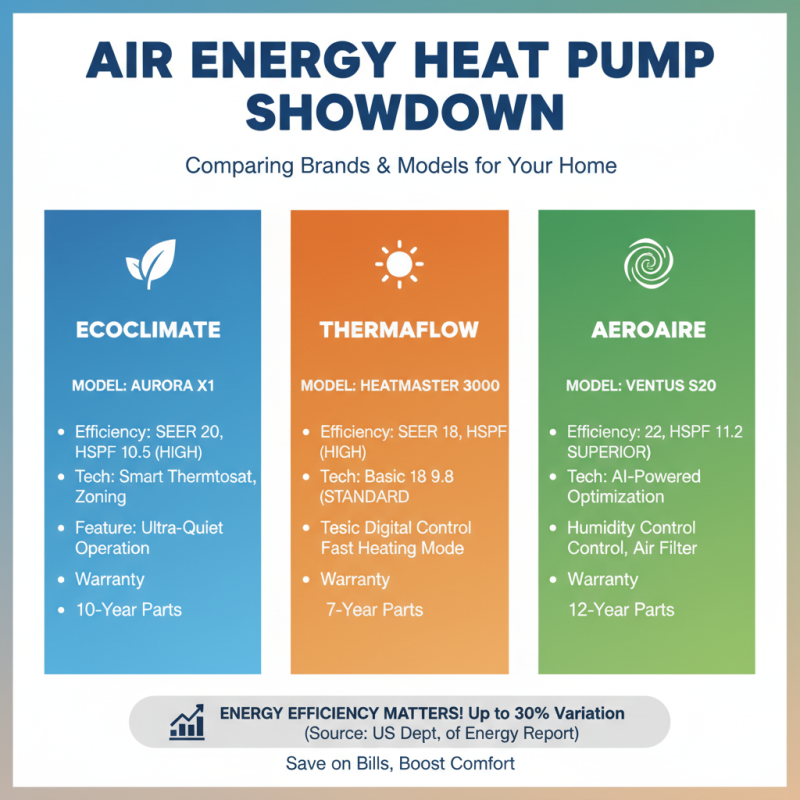
Comparing Different Brands and Models of Air Energy Heat Pumps
When evaluating air energy heat pumps, comparing different brands and models is essential. Each brand has distinct features, efficiency ratings, and technology advancements. According to the latest industry report by the U.S. Department of Energy, energy efficiency can vary by up to 30% between models. This variation directly impacts your energy bills and overall comfort.
Some heat pumps utilize advanced inverter technology, which allows for variable speeds. This leads to more precise temperature control. Others fall short in this area, running at fixed speeds. Selecting a model that matches your climate zone is crucial. In colder regions, heat pumps may struggle without supplemental heating. This is something potential buyers need to reflect on when making a decision.
Another factor is noise levels. While some models operate quietly, others produce significant sound, which can be disruptive. Noise ratings in decibels (dB) range from 45 to 70 dB across various brands. Consider how this will affect your living environment, especially in residential areas. By taking time to compare these aspects, you can find a system tailored to your specific needs. Remember that the best choice often involves compromise, balancing efficiency with comfort and noise levels.
Installation and Maintenance Tips for Optimal Performance
When selecting the best air energy heat pumps, proper installation and maintenance are crucial for optimal performance. According to the U.S. Department of Energy, improper installation can reduce heating efficiency by up to 30%. This means that choosing skilled professionals for installation is vital. They must follow manufacturer guidelines closely to ensure the system operates effectively. Additionally, ensuring proper sizing is essential. Oversized units can cycle too frequently, wasting energy.
Regular maintenance is key to extending the lifespan of your heat pump. Dust and debris can lower efficiency significantly. A study by the National Renewable Energy Laboratory indicates that a well-maintained unit can operate up to 15% more efficiently than a neglected one. Cleaning or replacing filters every few months is a simple yet effective tip. Furthermore, scheduling annual professional inspections can identify potential issues before they escalate.
Don’t overlook the surroundings of the heat pump. Ensure there's sufficient airflow around the unit. This helps maintain efficiency and prevents overheating. Many users forget this detail, which can lead to operational problems. Even minor adjustments in placement can have significant impacts on performance. Like any system, air energy heat pumps require attention. Regular checks and a proactive approach can truly make a difference.