How to Choose the Best Heatpump Split System for Your Needs?
Choosing the right heat pump split system can feel overwhelming. There are many options available, each with unique features. Understanding how to select the best one for your needs is essential for comfort and efficiency.
Heat pump split systems are known for their versatility and energy-saving benefits. They efficiently regulate indoor temperatures, which is crucial in various climates. However, not all heat pump splits are created equal. Factors like size, efficiency ratings, and installation requirements must be considered carefully.
Making the right choice can lead to long-term satisfaction. On the other hand, an ill-informed decision may result in discomfort and unexpected costs. Researching and seeking expert advice can help avoid common pitfalls. It's important to reflect on your specific heating and cooling requirements before making a decision. Investing time in understanding these systems pays off in the long run.
Understanding the Basics of Heat Pump Split Systems
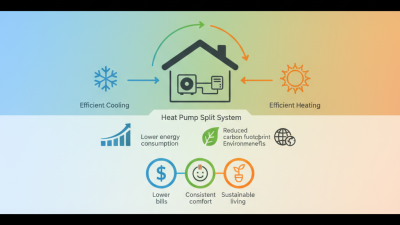
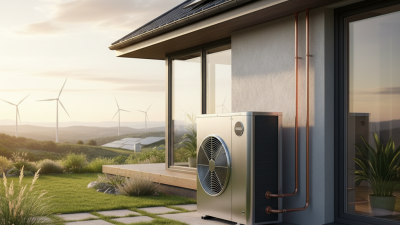
When considering a heat pump split system, understanding its basics can greatly aid your decision. These systems consist of two main components: an outdoor unit and an indoor unit. They work together to transfer heat, providing efficient heating and cooling. According to the U.S. Department of Energy, heat pumps can reduce energy consumption by 30-40% compared to traditional heating methods. This makes them an attractive option for homeowners.
Tip: Assess your home’s insulation before installation. Well-insulated homes can maximize a heat pump’s efficiency.
Efficiency ratings, such as HSPF and SEER, are critical in choosing the right system. The Heating Seasonal Performance Factor (HSPF) measures heating efficiency, while the Seasonal Energy Efficiency Ratio (SEER) measures cooling efficiency. A system with higher ratings often costs more upfront but can lead to significant savings over time. Data from the International Energy Agency indicates that investing in high-efficiency heat pumps can recoup costs in reduced energy bills within a few years.
Tip: Seek professional advice for sizing. An improperly sized system can lead to inefficiency and discomfort.
Understanding local climate also plays a crucial role. In colder areas, a heat pump may struggle to provide sufficient heat. Some systems now offer enhanced performance in low temperatures, but these can come at a premium. Reflect on your local climate when choosing a model.
Assessing Your Heating and Cooling Needs
When assessing your heating and cooling needs, it's crucial to consider your home's size and insulation. A well-insulated house retains temperature better, reducing energy usage. Take accurate measurements of your rooms. This clarity will guide your selection process.
Tips: Analyze your current energy bills. High costs may indicate inefficiency in your existing system.
The climate where you live is another key factor. Areas with extreme temperatures may require more robust heating or cooling solutions. Evaluate how often you use your heating or cooling systems. If you need continual temperature control, look for systems designed for heavy usage.
Tips: Assess the noise levels of units. Quiet operation is vital for comfort, especially in bedrooms.
Don’t forget to review maintenance requirements. Some systems demand regular upkeep, while others are more self-sufficient. Reflect on your personal lifestyle and how it influences your choices. Consider consulting professionals for tailored advice; their insights may save you
time and money.
Comparing Different Types of Heat Pump Technologies
When exploring heat pump technologies, understanding the differences is crucial. Air-source heat pumps extract heat from the outside air. They are efficient in moderate climates but may struggle in extreme cold. Ground-source heat pumps, or geothermal systems, rely on stable ground temperatures. They are typically more efficient but require significant installation space and upfront cost.
Another option is water-source heat pumps. These systems derive heat from nearby water bodies. They can be exceptionally efficient but are location-dependent. Each type of heat pump has its advantages and limitations. Performance varies based on installation conditions and climate.
Many users overlook the importance of regular maintenance. This can affect long-term efficiency. Selecting the ideal heat pump involves careful consideration of your specific environment and needs. Understanding these different technologies empowers you to make an informed choice.
Comparative Analysis of Heat Pump Technologies
Evaluating Energy Efficiency Ratings and Costs
When choosing a heat pump split system, energy efficiency is a key factor. Look for systems with high Seasonal Energy Efficiency Ratio (SEER) ratings. Higher SEER ratings mean better efficiency, which translates to lower energy bills. However, this does not always indicate the best overall performance. Sometimes, systems with slightly lower ratings may better suit your needs depending on your specific climate conditions and usage patterns.
Cost also plays a vital role. While pricier units may promise greater efficiency, you need to consider the long-term savings. An energy-efficient system may have a higher initial cost, but it can pay off over time through reduced utility bills. On the other hand, a cheaper unit might not last as long, leading to higher overall expenses. Calculate your expected return on investment (ROI) to make a more informed choice.
Don’t overlook local rebates or incentives. Many regions offer financial benefits for choosing energy-efficient systems. Research available programs in your area to reduce costs further. Balancing initial investment with energy savings requires careful consideration. Understand your household's unique requirements to make the best decision.
Choosing the Right Size and Capacity for Your Space
Choosing the right size and capacity for your heat pump split system is crucial. An undersized unit may struggle to maintain comfort levels. Conversely, an oversized system can lead to inefficiency and increased energy costs. Begin by evaluating your space. Measure the square footage and consider the ceiling height. Insulation quality also plays a significant role.
A heat load calculation can provide insights into the necessary capacity. This calculation considers factors like the number of windows and doors. Even small details, such as appliance heat output, can affect your needs. It’s easy to overlook these, yet they can skew the results. Many homeowners make the mistake of solely relying on the existing unit size.
Consulting with a professional can help clarify uncertainties. They can offer recommendations based on your specific layout and regional climate. Remember, the right size not only enhances comfort but also optimizes energy efficiency. A perfect fit is ultimately about more than just numbers; it’s about achieving a harmonious environment.
How to Choose the Best Heatpump Split System for Your Needs?
| Room Size (sq ft) |
Recommended BTU |
System Type |
Efficiency Rating (SEER) |
Noise Level (dB) |
| 300 |
9,000 |
Wall-mounted |
16 |
45 |
| 600 |
12,000 |
Ceiling-mounted |
18 |
42 |
| 900 |
18,000 |
Ducted |
20 |
50 |
| 1200 |
24,000 |
Multi-split |
22 |
48 |
| 1500 |
30,000 |
Floor-mounted |
24 |
55 |