Leave Your Message
Choosing the right Dried Fruit Dryer in 2026 requires more than comparing prices and advertised capacity. Global buyers must examine drying performance, energy use, food-contact materials, controls, and after-sales support. A small mango processor may need a compact cabinet dryer, while an industrial raisin producer may require a continuous belt system. The best choice depends on the product, factory layout, climate, and daily output.
This guide reviews the main dryer types available to international buyers, including tray, tunnel, belt, vacuum, freeze, and heat-pump models. Each option creates different results. For example, sliced apples may need steady airflow and gentle temperature control, while dense dates require deeper moisture removal. Operators should record inlet temperature, drying time, batch weight, and final moisture content. These details often reveal more than a brochure.
Real factory conditions can be less tidy than technical specifications suggest. Dust, unstable electricity, humid weather, and limited maintenance skills may change the expected performance. A highly automated machine is not always the safest investment. Sometimes, simpler equipment is easier to clean and repair. This guide uses practical purchasing considerations, manufacturer documentation, and common food-processing principles to support careful decisions. Still, no comparison can replace a trial run with the buyer’s own fruit. That step is easy to overlook. Buyers should also confirm local electrical requirements, sanitation expectations, spare-parts availability, operator training, and applicable import standards before signing a contract.
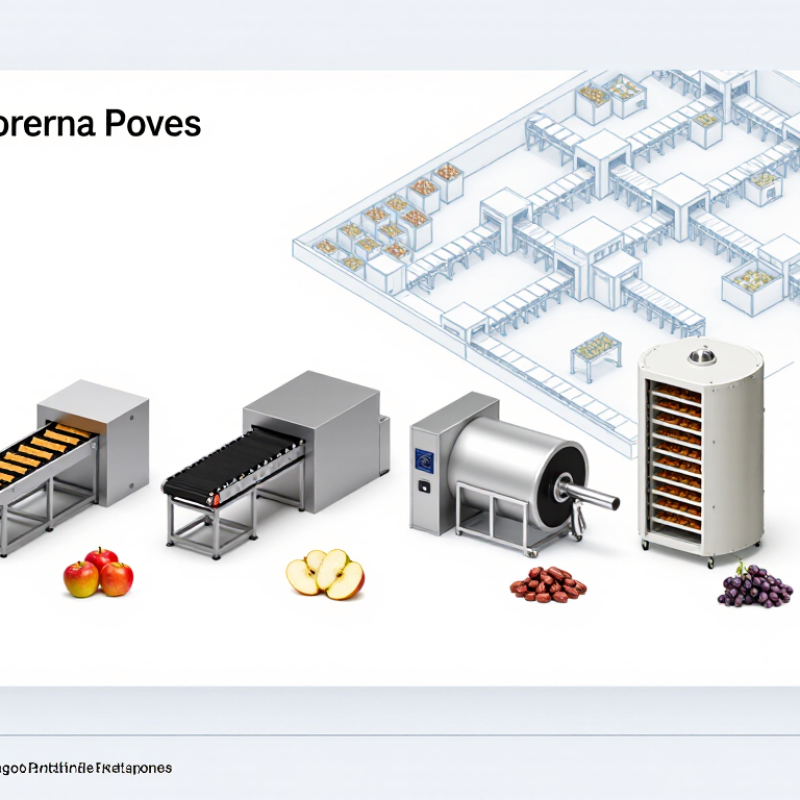
Dried fruit dryers remove moisture by moving controlled heat through prepared fruit. In most systems, fans circulate warm air across trays or belts. Heat reaches the fruit surface first. Moisture then travels from the center toward the surface and leaves with the exhaust air. This process is simple in principle, but fruit thickness changes everything.
A cabinet dryer usually works in batches, while tunnel and belt dryers support continuous production. Operators should load similar slices together. A 5 mm mango slice dries differently from a whole fig. Air temperature, humidity, airflow speed, and loading density must be checked during each run. Excessive heat may darken the surface while the center remains soft. That mistake is common.
Practical control needs more than a temperature display. Measure weight loss, inspect texture, and check water activity when product stability matters. Exhaust air should not feel trapped inside the chamber. If humidity remains high, drying slows sharply. I would rather extend the cycle than scorch the edges. Still, every fruit behaves differently, so fixed settings need review. Clean trays, dry sensors, and accurate records also reduce contamination and uneven results.
A small test batch helps reveal airflow problems before full production. It may feel inefficient, but it prevents larger losses.
| Dryer Type | Basic Operating Principle | Typical Product Form | Typical Drying Temperature | Typical Residence Time | Indicative Fresh-Feed Capacity | Typical Final Moisture Range | Relative Energy Profile | Main Advantages | Main Limitations | Common Buyer Applications |
|---|---|---|---|---|---|---|---|---|---|---|
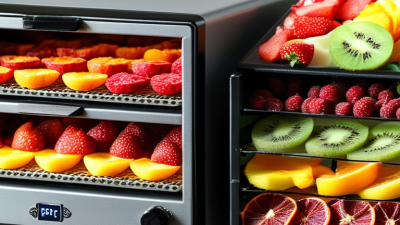
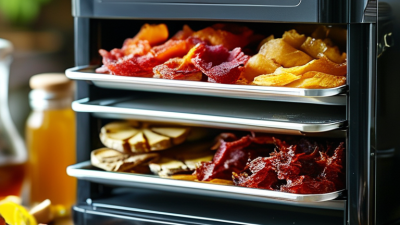
| Tray or Cabinet Dryer | Heated air circulates across fruit arranged on removable trays. Batch operation allows operators to control loading, airflow, and drying stages. | Fruit slices, halves, pieces, berries, and small batches | 45–75 °C | 6–24 hours | 50–1,000 kg per batch | 12–25% wet basis, depending on product | Medium; heat recovery and insulated chambers can reduce consumption | Simple operation, flexible batch sizes, relatively low initial investment, and easy product changeover | Longer drying time, manual handling, and less uniformity if trays are overloaded | Small and medium processors, seasonal fruit, specialty products, and pilot production |
| Heat-Pump Dehumidification Dryer | A refrigeration cycle removes moisture from recirculated air while recovering heat and returning warm, low-humidity air to the drying chamber. | High-value fruit slices, whole berries, and delicate pieces | 35–65 °C | 8–30 hours | 100–2,000 kg per batch | 10–20% wet basis, with low-temperature drying capability | Low to medium; efficient because most air is recirculated | Good color and aroma retention, precise humidity control, reduced dependence on ambient weather, and lower exhaust losses | Higher purchase cost, refrigerant-system maintenance, and slower throughput at very low temperatures | Premium fruit, export-grade products, humid climates, and energy-conscious facilities |
| Continuous Belt Dryer | Fruit moves continuously on a perforated belt through one or more drying zones with controlled air temperature, velocity, and humidity. | Uniform slices, diced fruit, strips, and pitted fruit pieces | 50–85 °C | 1–8 hours | 300–5,000 kg per hour | 12–20% wet basis, depending on product specification | Medium to high; efficiency improves with multi-stage airflow and heat recovery | Continuous production, scalable capacity, consistent residence time, and reduced manual labor | Requires uniform feed preparation, larger floor space, and higher capital cost | Medium and large factories producing standardized retail or ingredient products |
| Tunnel Dryer | Loaded carts or trays travel through a long insulated tunnel while heated air flows in parallel flow, counterflow, or crossflow arrangements. | Trays of fruit halves, slices, whole fruit, and mixed batch loads | 50–80 °C | 4–20 hours | 500–5,000 kg per batch | 12–25% wet basis | Medium to high; airflow design strongly affects efficiency | High batch capacity, adaptable chamber length, and suitability for robust fruit products | Large footprint, longer start-up and unloading time, and possible moisture variation along the tunnel | Industrial processors handling large seasonal harvests and tray-loaded products |
| Fluidized-Bed Dryer | High-velocity air suspends small fruit pieces or pre-dried particles, creating intensive contact between the product and drying air. | Diced fruit, small pieces, fruit granules, and particulate ingredients | 50–90 °C | 10–60 minutes | 100–2,000 kg per hour | 3–15% wet basis, according to product use | Medium to high; high heat and mass transfer can shorten drying time | Fast drying, relatively uniform treatment, and compact equipment for small particle sizes | Not suitable for large or sticky pieces; air velocity must be carefully controlled to avoid product damage | Fruit pieces for cereals, bakery fillings, snack mixes, and powdered or granulated ingredients |
| Vacuum Dryer | Reduced chamber pressure lowers the boiling point of water, allowing moisture removal at lower product temperatures than atmospheric drying. | Soft fruit pieces, puree sheets, and heat-sensitive specialty products | 35–65 °C product or shelf temperature | 3–12 hours | 50–1,000 kg per batch | 3–15% wet basis | Medium to high; vacuum generation can increase electricity demand | Lower oxygen exposure, reduced oxidation, and improved retention of sensitive flavor compounds | Higher equipment cost, vacuum-sealing requirements, and batch operation in many configurations | Premium fruit ingredients, low-oxidation products, and heat-sensitive formulations |
| Freeze Dryer | Fruit is frozen, placed under vacuum, and dried mainly by sublimation, changing ice directly into vapor without passing through a liquid phase. | Whole berries, slices, cubes, and delicate fruit pieces | Typically below 0 °C during primary drying; product temperature is controlled by shelf heating | 12–36 hours | 20–500 kg per batch | 1–5% wet basis | High; freezing and vacuum systems require substantial energy | Excellent shape, color, flavor, porosity, and rehydration performance | Highest capital and operating cost, long cycle time, and strict loading and packaging requirements | Premium snacks, nutraceutical ingredients, instant foods, and products requiring rapid rehydration |
| Solar-Assisted Dryer | Solar collectors heat drying air, which passes through a cabinet, tunnel, or chamber; auxiliary heating may support operation during low solar availability. | Sliced fruit, halves, and smallholder or seasonal batches | 40–70 °C, depending on solar conditions | 8–36 hours | 20–500 kg per batch | 15–25% wet basis | Low direct fuel use; performance depends on solar radiation and auxiliary heating | Reduced fuel consumption, simple heat source, and suitability for regions with strong sunlight | Weather dependence, variable drying rate, and larger collector area for higher capacity | Off-grid sites, small farms, rural cooperatives, and low-energy processing projects |
| Microwave-Assisted or Hybrid Dryer | Microwave energy generates volumetric heating inside the product, usually combined with hot air or vacuum to remove released moisture. | Fruit slices, pieces, puree-based sheets, and semi-dried products | 40–80 °C air temperature; product heating depends on microwave power | Minutes to several hours | 50–1,000 kg per hour | 5–20% wet basis | Medium to high; depends on microwave efficiency and hybrid configuration | Shorter drying time, potential for improved heating uniformity, and useful finishing capability | Higher system complexity, possible hot spots, and greater maintenance and control requirements | Specialty processors seeking faster drying or a controlled final-moisture adjustment |