Leave Your Message
AI Helps Write

Why Choose a Grain Dryer for Global Grain Storage?

Global grain storage faces a practical problem: harvested grain rarely arrives at the right moisture level. A reliable Grain Dryer helps reduce this risk before storage begins. It removes excess moisture, limits mold growth, and protects grain quality during long journeys and changing seasons. Small differences matter. A few wet pockets can damage an entire storage bin.

Dr. Dirk Maier, a respected grain-drying specialist and educator, describes the challenge clearly: “Grain drying is a balancing act between moisture removal, energy use, and quality preservation.” His observation reflects real storage conditions. A dryer must work efficiently, but excessive heat can reduce germination, create stress cracks, or lower market value. The best system depends on grain type, local climate, harvest volume, and available energy.

Global operations also need dependable monitoring. Temperature sensors, moisture checks, and controlled airflow provide useful evidence during drying. Operators can then adjust settings instead of relying on guesswork. That sounds simple. It is not always simple.

A Grain Dryer may also reduce post-harvest losses when transport schedules change or harvest arrives during humid weather. However, no machine replaces trained judgment. Poor calibration, uneven loading, or rushed cooling can still create problems. This article examines why modern grain storage increasingly depends on effective drying equipment, practical controls, and careful operation. The technology is valuable, but its results deserve regular checking.
Why Choose a Grain Dryer for Global Grain Storage?

What Is a Grain Dryer and Why Is It Important?

A grain dryer removes excess moisture from freshly harvested grain by moving controlled, heated air through it. This process lowers the risk of mold, spoilage, and insect activity during storage. In practical storage work, kernels arriving from the field often feel cool and damp. A reliable moisture meter confirms what touch cannot.

Moisture control matters across global grain storage systems. Harvest seasons, climates, and transport distances differ widely. Grain stored in humid coastal areas may need closer monitoring than grain held in dry inland warehouses. Proper drying also protects weight, quality, and market value. However, a dryer is not a magic fix. Excessive heat can crack kernels, reduce germination, or create uneven drying. That remains an easy mistake to underestimate.

Tips: Test moisture at several points, not just near the surface. Clean dust from air passages before operation. Use gradual heating for delicate grains. Allow hot grain to cool before long-term storage. Record moisture readings and drying temperatures. Small records help reveal repeated problems. Operators should also inspect airflow, because blocked sections can leave hidden wet pockets. We sometimes focus too much on dryer capacity and forget storage conditions. A perfectly dried batch can still absorb moisture through leaking roofs, open doors, or poorly sealed walls.
How Does a Grain Dryer Work in Global Storage Systems?

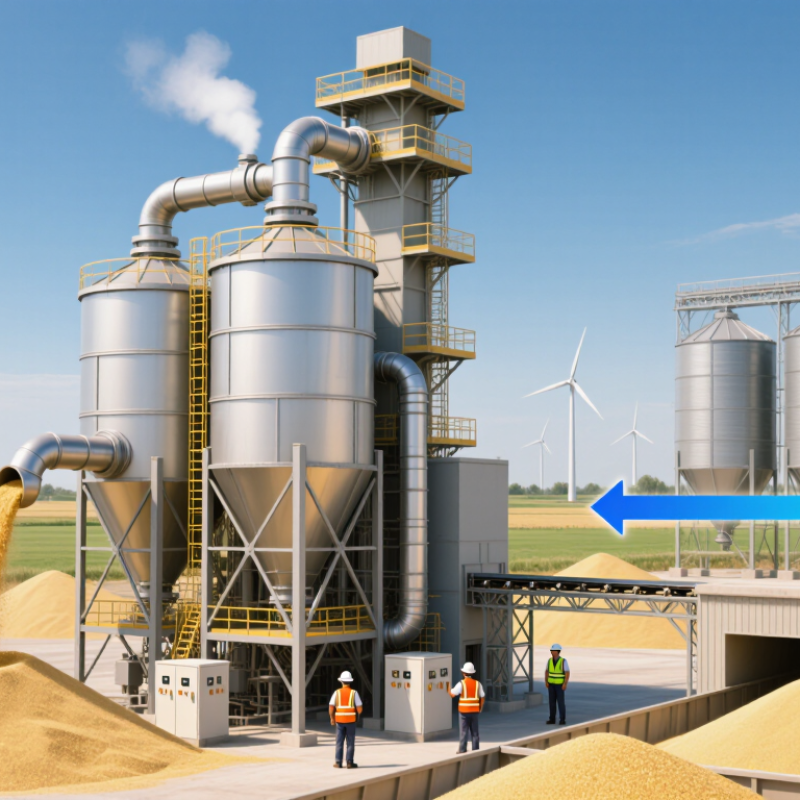
A grain dryer protects stored harvests by reducing moisture before spoilage begins. In global storage systems, this step matters because crops often travel through humid ports, dry inland regions, and changing seasons. Excess moisture can encourage mold, heating, insect activity, and quality loss. A reliable drying plan starts with measuring grain temperature and moisture, not guessing from appearance.

The process is practical. Fans push heated air through a grain column, while the moving air carries moisture away. Sensors monitor temperature, airflow, and outlet humidity during operation. Operators adjust heat carefully because excessive temperatures can crack kernels or reduce milling quality. The target depends on the crop, intended use, storage period, and local climate. Wheat for long storage may require different handling than maize for animal feed.

Airflow must remain even. Poorly distributed grain can leave wet pockets near walls or beneath the surface. After drying, tempering allows moisture to move within each kernel, reducing internal stress. Cooling follows before the grain enters a bin or silo. Clean ducts and regular sensor checks are essential. Small errors become expensive at scale.

No setting is universally perfect. That assumption can fail.

Experienced storage teams compare sensor readings with manual samples and weather data. They also inspect grain after loading, especially during the first weeks. A dryer may perform efficiently in a temperate warehouse but need slower cycles in tropical humidity. Energy use, maintenance access, and worker safety also influence the real result. Grain drying is controlled engineering, but field conditions still demand judgment.

How Grain Dryers Improve Quality, Safety, and Storage Life

Why Choose a Grain Dryer for Global Grain Storage?

How Grain Dryers Improve Quality, Safety, and Storage Life

In global grain storage, moisture control often decides whether a harvest keeps its value. A grain dryer removes excess moisture soon after harvest, when kernels may still feel warm and uneven. This step reduces mold risk, heating, caking, and insect activity during transport or long-term storage. Operators should measure moisture at several points, not trust one sample. Conditions vary inside every load.

Drying also protects quality. Controlled airflow and moderate heat help preserve color, germination, milling performance, and nutritional value. Excessive heat can crack kernels or damage seeds, especially when drying delicate crops. Experienced operators adjust temperature, airflow, and residence time for each crop. They also check grain temperature before moving it into a bin. A cool surface does not always mean a cool center.

Safety improves when storage teams combine drying with cleaning, aeration, and regular inspection. Dust buildup deserves attention. It can obstruct equipment and create dangerous working conditions. Reliable records should include incoming moisture, outlet moisture, drying temperature, and inspection dates. These details support traceability across different climates and supply chains.

No drying plan is perfect. Weather changes quickly, and sensors can drift. That is why staff should verify readings, maintain instruments, and investigate unusual odors or hot spots. Storage life depends on stable moisture, clean facilities, and timely decisions, not the dryer alone.

Why Choose a Grain Dryer for Global Grain Storage? - How Grain Dryers Improve Quality, Safety, and Storage Life
Grain Typical Harvest Moisture Common Safe Storage Target Quality-Focused Drying-Air Temperature Typical Storage Life at Target Moisture How Drying Improves Storage
Wheat 16%–22% 12%–13% 43–60°C 8–12 months under cool, dry, well-aerated conditions Reduces mold risk, limits insect development, preserves test weight, and helps maintain milling quality.
Maize (Corn) 20%–30% 13%–14% 60–80°C for quality-focused food or feed drying 6–12 months, depending on temperature, moisture uniformity, and pest control Rapidly removes excess moisture, reduces spoilage during cooling, and helps prevent cracking and fungal growth when drying is controlled.
Rice 18%–25% 12%–14% 38–45°C 12–24 months in controlled storage Gentle drying helps reduce fissuring and broken kernels while lowering the risk of mold and quality deterioration.
Soybeans 16%–20% 11%–13% 43–60°C 6–12 months, with longer periods possible under controlled conditions Improves storability, reduces heating caused by respiration, and helps protect oil quality and seed viability.
Barley 16%–22% 12%–13% 43–60°C 8–12 months under suitable storage conditions Helps control mold and insects while protecting germination and malting characteristics when lower temperatures are used.
Sorghum 18%–25% 12%–13% 43–60°C 6–12 months, depending on storage temperature and moisture stability Improves moisture uniformity, reduces microbial activity, and supports safer bulk storage in warm climates.

Note: The figures are typical operating and storage ranges for food and feed grains. Actual targets depend on grain variety, intended use, local climate, drying method, kernel condition, storage duration, and applicable food-safety regulations. Moisture should be measured at multiple points before and after drying.

Which Grain Dryer Types Suit Different Storage Requirements?

Why Choose a Grain Dryer for Global Grain Storage?

Different storage conditions require different grain dryer designs. Batch dryers suit small farms, seasonal harvests, and several grain varieties. Operators can adjust drying time between loads. They also allow careful inspection. This matters when grain arrives unevenly wet.

Continuous-flow dryers fit large elevators and export facilities. They process steady volumes and reduce handling delays. Mixed-flow systems often provide gentle, energy-efficient drying for valuable crops. Cross-flow dryers remain practical where simple operation and accessible maintenance matter.

The best choice depends on capacity, fuel availability, climate, and target moisture content.

In humid regions, low-temperature drying can protect grain quality during longer storage. It reduces cracking, discoloration, and excessive stress. Hotter systems work faster, but they demand closer monitoring.

Overdrying wastes energy and can reduce saleable weight. In field practice, moisture meters should be checked regularly, not trusted blindly. Sampling from several points gives more reliable readings.

Dryer performance also depends on airflow, burner control, and cleaning routines. No system is perfect. A poorly maintained efficient dryer still produces inconsistent results.

Tips:

Match dryer capacity with peak harvest volume, not average daily intake. Leave space for wet grain before drying begins. Record inlet temperature, outlet moisture, and drying time for every batch. Clean screens and ducts often. Small blockages can create large moisture differences. Review the results after each season. The original plan may need correction.

How to Select and Operate a Grain Dryer Effectively

Why Choose a Grain Dryer for Global Grain Storage?

How to Select and Operate a Grain Dryer Effectively

Selecting a grain dryer starts with the crop, not the machine. Corn, rice, wheat, and oilseeds release moisture differently. Check the expected harvest volume, initial moisture, target moisture, and available power supply. A dryer should match local climate conditions and storage capacity. Oversized equipment may waste energy. Undersized equipment can create long queues during harvest.

Measure twice. Use a calibrated moisture meter before loading grain. Test samples from different parts of the truck or field. One reading can mislead you. Set drying temperature according to crop type and end use. Excessive heat can crack kernels, reduce quality, or damage seed germination. Use gradual drying when moisture levels are high. Monitor airflow, fuel use, and grain movement during each cycle.

Clean the dryer before operation. Remove old grain, dust, and foreign material from screens and ducts. Inspect belts, fans, sensors, and emergency controls. Keep records of moisture readings and drying times. These notes help identify uneven drying later. I have learned that automatic settings still need human judgment. Weather changes, airflow restrictions, and uneven loading can affect results. Pause the system if grain smells burnt or temperatures rise unexpectedly. Allow hot grain to cool before storage, then check the bin again after several hours.

Why Choose a Grain Dryer for Global Grain Storage?

Typical target moisture content for safer long-term storage

Grain dryers help reduce moisture to levels that limit mold growth, insect activity, heating, and quality loss during storage. Typical long-term storage targets are approximately 13% for wheat, 15% for maize, 14% for rice, and 13% for soybeans. Actual targets should be adjusted for storage duration, ambient humidity, grain temperature, and local safety standards. Operate the dryer by monitoring inlet air temperature, airflow, grain residence time, and final moisture content to avoid overdrying or grain damage.