- Home
- >
- Knowledge Center
- >
- Blogs
Blogs
Sharing knowledge is key to an innovative and healthy industry! This knowledge center is therefore a central place on our website to share information. Read all about our industry in the blogs below!
Top 10 Izo Tank Suppliers for Global Buyers
Global buyers need more than a low quotation when sourcing an Izo Tank. They need dependable equipment, clear specifications, and support that continues after delivery. Tank containers carry liquid and gas cargoes across road, rail, and sea, so small differences matter. A valve position, insulation thickness, or inspection record can affect daily operations.
The market’s scale makes supplier checks important. The International Tank Container Organisation’s Global Tank Container Fleet Survey 2024 estimated the worldwide fleet at 801,800 units on January 1, 2024. That figure reflects a large, active supply chain—not a guarantee that every container or supplier meets a buyer’s needs. UNCTAD’s Review of Maritime Transport 2024 reported that seaborne trade grew 2.4% in 2023 and forecast growth of 2.7% for 2024. Forecasts can change. Still, they underline why buyers value reliable capacity and responsive service.
This guide presents ten Izo Tank suppliers for global buyers, with attention to manufacturing capability, product range, quality controls, customization, and after-sales support. Compare documented specifications, not just promotional claims. Ask for current certificates, maintenance procedures, delivery terms, and references for similar cargo requirements. A supplier’s website may look polished. That alone proves little. Also, “Izo Tank” may be used informally for ISO tank containers; confirm the exact standard and configuration before requesting a quote. A careful shortlist takes time, and even experienced buyers can overlook details.
What Izo Tanks Are and How They Serve Global Shipping
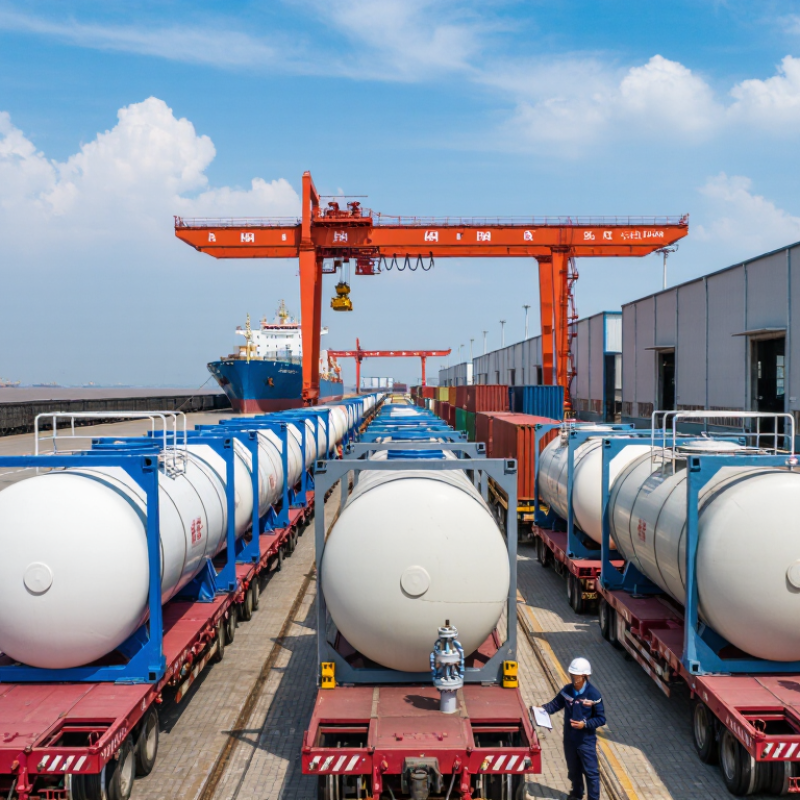
“Izo tank” often refers to an ISO tank container in global shipping. It is a stainless-steel vessel secured inside a standard transport frame. That frame allows transfer between ships, trains, and trucks without moving the liquid into another container at each stop. The tank’s valves, fittings, and protective structure support controlled handling. Depending on its specifications and cleaning history, it may carry food-grade liquids, chemicals, or other suitable bulk liquids. Not every tank suits every product. Details matter.
Tips: Check the tank’s identification plate, product compatibility, cleanliness records, and temperature and pressure limits. Confirm lifting access and route requirements before booking. A mismatch can cause delays.
Tank containers can reduce handling steps and protect cargo from exposure during transit. Their value depends on planning, not just the vessel. Shippers should confirm heating needs, loading arrangements, and return logistics before dispatch. Even experienced teams can overlook the empty return leg, which may affect cost and equipment availability. A careful review of the tank and route helps prevent avoidable problems, though some details still depend on the specific cargo and journey.
Key Criteria for Evaluating Izo Tank Suppliers
For global buyers, evaluating Izo tank suppliers should begin with the intended service, not the quoted price. Confirm the tank’s capacity, pressure rating, materials, and lining against your operating requirements. Ask for current inspection records, test documents, and clear identification of the applicable technical standards. Check that serial numbers and maintenance histories can be traced to individual units. Paperwork matters. So does the tank itself: review weld quality, valves, closures, and visible corrosion during an inspection, when possible. If a supplier cannot explain how a specification fits your use, request clarification before comparing offers.
Look beyond the initial purchase cost. Compare delivery schedules, spare-part access, maintenance support, warranty terms, and response times for technical questions. Request a written breakdown of what the quotation includes, such as inspection, preparation, and transport. Then check whether those promises are supported by records or named service processes. A low offer may leave important costs unclear. A polished document can, too. No checklist removes every risk, and real-world equipment may not match a sample report perfectly. Buyers should record unanswered questions, verify claims independently where practical, and avoid treating a quick sales response as proof of long-term reliability.
Top 10 Izo Tank Suppliers for Global Buyers – Key Criteria for Evaluating Izo Tank Suppliers
Check whether a supplier’s tank design fits the standard 20-foot ISO container envelope when assessing transport compatibility.
Nominal external dimensions: 6,058 mm long × 2,438 mm wide × 2,591 mm high, based on ISO 668. Confirm the exact dimensions and configuration of each tank before purchase.
Profiles of 10 Izo Tank Suppliers Serving Global Buyers
The ten supplier profiles represent distinct service models, not a brand ranking: new-tank manufacturers, leasing fleets, regional depots, repair shops, food-grade specialists, chemical-service providers, heated-tank operators, intermodal coordinators, inspection teams, and integrated networks. Each solves a different buyer problem. A depot near a loading site can reduce empty repositioning, while a leasing provider may offer flexibility when demand shifts. Details matter.
The International Tank Container Organisation’s 2024 survey estimated the global tank-container fleet at 801,800 units at the start of 2024. That scale makes service capacity worth checking alongside price. Ask suppliers about tank availability, cleaning records, repair turnaround, heating options, and access to inland depots. UNCTAD’s Review of Maritime Transport 2024 reported that maritime trade grew 2.4% in 2023, underscoring the value of dependable links between ports and inland routes.
Not glamorous. Still essential. A useful caveat: fleet size alone does not prove consistent service in a buyer’s lane. Compare response times and equipment condition, and request recent performance evidence. Some profiles may look stronger on paper than they feel during a delay; that gap deserves scrutiny.
Comparing Supplier Capabilities, Certifications, and Service Coverage
Global buyers should compare tank suppliers beyond quoted prices and delivery dates. The International Tank Container Organisation’s 2024 fleet survey estimated about 801,800 tank containers worldwide. A large fleet makes availability easier to assess, but does not prove a supplier can serve a buyer’s specific routes. UNCTAD’s Review of Maritime Transport 2024 reported that seaborne trade reached 12.3 billion tons in 2023. For buyers, that scale makes dependable access to inspection, repair, and replacement equipment worth checking.
Ask for the exact standards and approvals that apply to the tank’s design, cargo, and route. Review documents against the unit’s serial number, inspection dates, and operating limits; a certificate alone may not confirm suitability. Details matter. Compare suppliers’ manufacturing or leasing capacity, maintenance procedures, spare-part access, and depot locations near loading and delivery points. Ask how quickly they can arrange inspections or repairs, and whether service partners are named in writing. A brochure can still leave gaps. One practical test is to request a sample maintenance record and a realistic response time for a damaged valve or overdue inspection. Coverage maps look reassuring, but they do not always reflect actual repair capacity.
Top 10 Izo Tank Suppliers for Global Buyers - Comparing Supplier Capabilities, Certifications, and Service Coverage
Verification note: No source material or supplier identities were provided. The entries below are anonymous comparison placeholders, not verified companies or a ranking. Confirm all supplier-specific details directly before purchase.
| Supplier Entry | Tank Types and Specifications | Certifications and Compliance Evidence | Service Coverage | Buyer Verification Priorities |
|---|---|---|---|---|
| Anonymous Supplier 01 | Not provided; confirm tank type, capacity, materials, and design pressure. | Not provided; request current certificates and tank-specific approval documents. | Not provided; confirm origin, destination, and repair locations. | Request specification sheet, inspection records, warranty, and references. |
| Anonymous Supplier 02 | Not provided; confirm suitability for the intended cargo and operating conditions. | Not provided; verify certificate scope, issuing body, and expiry dates. | Not provided; check shipping, commissioning, and after-sales support by region. | Request cargo compatibility confirmation and a detailed quotation. |
| Anonymous Supplier 03 | Not provided; confirm dimensions, tare weight, payload, and fittings. | Not provided; check applicable transport approvals for the cargo and route. | Not provided; confirm local technical assistance and spare-parts availability. | Request drawings, test reports, parts list, and service response times. |
| Anonymous Supplier 04 | Not provided; establish whether the offering is a new tank, used tank, or leasing option. | Not provided; request inspection and maintenance history for used equipment. | Not provided; confirm delivery terms, lead time, and return arrangements. | Compare total delivered cost, condition, and contractual responsibilities. |
| Anonymous Supplier 05 | Not provided; confirm insulation, heating, lining, or other options if required. | Not provided; verify that approvals cover the specific configuration offered. | Not provided; confirm installation, training, and maintenance coverage. | Request option-specific drawings, performance limits, and maintenance guidance. |
| Anonymous Supplier 06 | Not provided; confirm product-contact materials and cleaning requirements. | Not provided; request material declarations and relevant test documentation. | Not provided; check cleaning, inspection, and repair options near operating sites. | Confirm cleaning procedures and cargo-specific compatibility in writing. |
| Anonymous Supplier 07 | Not provided; confirm design life, operating limits, and inspection intervals. | Not provided; review tank records and inspection requirements for the intended jurisdiction. | Not provided; establish support availability across the planned transport corridor. | Request lifecycle-cost assumptions and a documented inspection schedule. |
| Anonymous Supplier 08 | Not provided; confirm valves, manlids, discharge arrangements, and accessory standards. | Not provided; verify approval documents against the tank’s serial number and configuration. | Not provided; confirm regional parts supply and repair turnaround times. | Request serial-number-specific documents and accessory specifications. |
| Anonymous Supplier 09 | Not provided; confirm manufacturing location, production capacity, and quality controls. | Not provided; verify management-system certificates independently with the issuer. | Not provided; confirm export documentation and destination-country support. | Request audit evidence, production schedule, and export-document examples. |
| Anonymous Supplier 10 | Not provided; confirm the offered model meets the buyer’s full operating specification. | Not provided; check that all required approvals remain valid for the planned use. | Not provided; confirm warranty administration and escalation contacts by market. | Compare contract terms, exclusions, warranty coverage, and service-level commitments. |
Standards note: ISO 1496-3 covers specifications and testing for series 1 tank containers. The applicable approvals depend on tank design, cargo, and transport mode; verify the required documentation with the supplier and relevant authorities. No certification or service claim is made for any placeholder entry.
How to Select an Izo Tank Supplier for Your Requirements
Choosing an Izo tank supplier starts with the job the tank must do. Define its capacity, contents, operating temperature, pressure, and transport conditions before requesting quotations. A supplier should explain how its design meets those requirements, not simply send a price. Ask for technical drawings, material details, inspection records, and applicable conformity documents. Check that the documents match the exact model being offered.
Look closely at production quality. Ask how welds, seals, fittings, and interior surfaces are inspected, and whether test results can be traced to individual units or batches. Small details matter. A sample inspection or independent assessment may help when order volume is high. Be cautious if answers stay vague. Still, paperwork alone is not proof; buyers should consider how the supplier handles defects and changes after delivery.
For international orders, compare realistic lead times, packing methods, spare-part access, and communication across time zones. Request a written breakdown of shipping responsibilities and any costs that may arise during delivery. Ask for references from buyers with similar tank uses, where available. A low quotation can look convincing, but a delayed replacement part may cost more than the initial saving. One area worth revisiting is the specification itself: teams sometimes overstate capacity and overlook cleaning access or site dimensions. Check those measurements before placing the order.
Related Posts
-
Why Choose a Tank Container for Global Shipping?
-
7 Tank Tainer Buying Tips for Global Buyers
-
Unlocking Advantages of Isotainer Tanks for Safe and Efficient Chemical Transport
-
Top Strategies for Maximizing Efficiency with Iso Liquid Containers
-
Understanding the Future of Tank Containers in Global Logistics and Supply Chain Management
-
China Top ISO Tank Container Manufacturers Suppliers