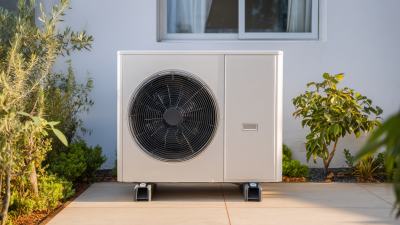
What is a Mini Split Heat Pump and How Does It Work?
The "Mini Split Heat Pump" is revolutionizing home heating and cooling. According to Jane Smith, a leading HVAC expert, "The efficiency of mini splits can transform your energy bills." This efficiency arises from their unique design and operation. Unlike traditional systems, mini splits do not require ductwork, making installation easier and less disruptive.
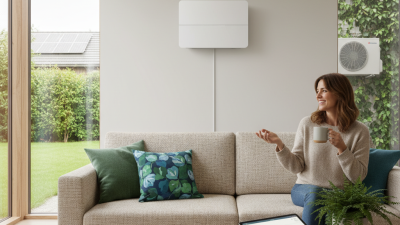
Mini split heat pumps operate quietly and provide targeted temperature control. They consist of an outdoor compressor unit and one or more indoor units. This setup allows homeowners to customize heating and cooling for individual rooms. Yet, many people still underestimate their potential. An understanding of mini splits is crucial for homeowners looking to upgrade efficiency.
However, challenges exist. Proper installation and choice of the right system are essential for optimal performance. A poorly installed mini split can lead to decreased efficiency and higher bills. Thus, seeking expert advice for the installation process is wise. With the right information, a mini split heat pump can be a smart investment for energy-conscious homeowners.
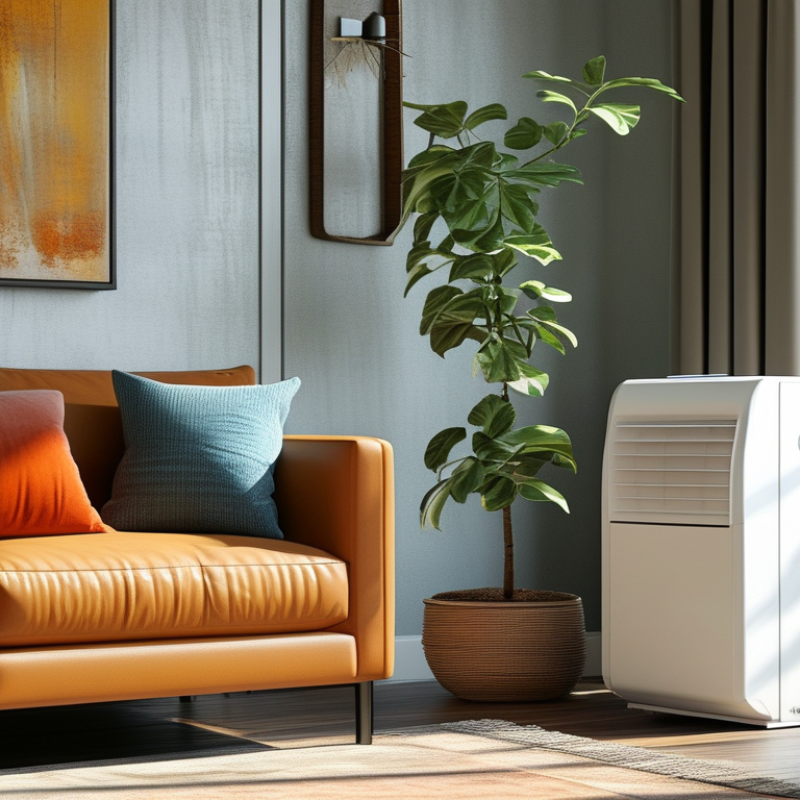
What is a Mini Split Heat Pump?
A mini split heat pump is an efficient heating and cooling system. It consists of an outdoor compressor unit and one or more indoor air-handling units. These systems are becoming increasingly popular in residential and commercial settings due to their versatility and energy efficiency. According to the U.S. Department of Energy, mini split systems can achieve efficiency ratings between 15 to 30 SEER, significantly reducing your energy bills.
Many homeowners appreciate the flexibility of mini split systems. They can be installed in various configurations to heat or cool specific rooms. This targeted approach allows for better temperature control and can lead to energy savings. The lack of ductwork also reduces energy loss, making mini splits a reliable option for retrofits in older buildings.
**Tip:** Regular maintenance is essential for optimal performance. Clean the filters every month during heavy use to ensure efficiency. Ignoring this can lead to reduced airflow and increased energy costs.
Though mini splits offer many advantages, some challenges may arise. Installation can be complex, especially in multi-zone systems. Moreover, the initial cost is higher than traditional systems. It’s crucial to weigh these factors carefully before making a decision.
Energy Efficiency of Mini Split Heat Pumps
Components of a Mini Split Heat Pump System
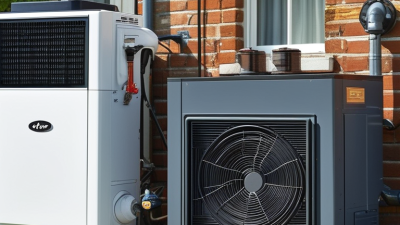
A mini-split heat pump system consists of several key components that work together to provide efficient heating and cooling. At its core, this system includes an outdoor unit and one or more indoor air handling units. The outdoor unit contains a compressor and a condenser, which are essential for transferring heat. The compressor circulates refrigerant through coils, absorbing heat from the outdoor air, even in cold conditions.
The indoor units have evaporator coils. These coils release the absorbed heat into the living space. An important feature of mini-splits is their multi-zone capability. According to the U.S. Department of Energy, multi-zone systems can be up to 30% more efficient than traditional single-zone systems. Each indoor unit can be controlled separately, allowing for personalized comfort and energy savings.
Another component is the remote control or wall-mounted thermostat, making it easy to adjust settings. While these systems are efficient, installation and maintenance can pose challenges. Ensuring proper placement of the units is crucial for optimal performance. Poor installation can lead to issues like reduced efficiency or increased noise. These factors should be carefully considered to fully benefit from the technology's potential.
How Does a Mini Split Heat Pump Work?
A mini split heat pump operates by transferring heat rather than generating it. This system consists of an indoor unit and an outdoor compressor. During winter, it pulls heat from the outdoor air. Conversely, in the summer, it reverses the process, acting as an air conditioner by removing heat from indoor air.
Efficient energy use is a key advantage of mini split systems. They can save up to 30% on energy bills. Regular maintenance is essential for optimal performance. Dirty filters can reduce efficiency. It's advisable to clean or replace filters every month, especially during heavy use seasons.
Consider insulation when using a mini split heat pump. Proper insulation enhances heat retention and overall system efficiency. An uninsulated space can lead to wasted energy and higher bills. Evaluate the seals on windows and doors regularly. Small gaps can make a big difference in energy costs.
Benefits of Using a Mini Split Heat Pump
A mini split heat pump offers several advantages for heating and cooling spaces efficiently. Its design consists of an outdoor unit and one or more indoor units. This system provides targeted temperature control. You can adjust the temperature in individual rooms. This flexibility can lead to significant energy savings.
One major benefit of mini split heat pumps is their energy efficiency. They transfer heat instead of generating it. This method uses less electricity and can lower bills. Many users appreciate this aspect, but it's important to choose the right size for your space. An incorrectly sized unit may not perform well.
Another valuable feature of mini split heat pumps is their ease of installation. They require no ductwork, which simplifies the setup process. However, the installation still needs expertise to ensure optimal performance. Improper installation can lead to inefficiencies. Users should research and hire qualified professionals to avoid potential issues.
Installation Process of a Mini Split Heat Pump
Installing a mini split heat pump can be a straightforward process, but it requires careful planning. The first step involves selecting the right unit for your space. A professional analysis suggests calculating the heating and cooling load, ensuring efficiency. Each room’s size and insulation affect the required capacity, impacting energy use.
Once a suitable unit is chosen, installation begins with mounting the indoor and outdoor units. The outdoor unit typically sits on a concrete pad or wall bracket. This helps prevent ground moisture from affecting functionality. The indoor unit needs careful positioning to maximize airflow. Many experts recommend a height of about 7 feet for optimal performance.
Connecting refrigerant lines and electrical wiring between the two units is crucial. Professionals commonly emphasize the importance of proper sealing to prevent energy loss. A poorly sealed connection can lead to inefficiencies, often resulting in higher utility bills. According to industry data, poorly installed units can lose up to 25% of their efficiency. Therefore, investing in skilled installation is vital for long-term savings and comfort.