Unlocking the Future of Home Comfort: Why Heat Pumps Are the Smart Choice for Eco-Friendly Living
The shift towards sustainable living is no longer a choice but a necessity, and heat pumps are at the forefront of this transformation in home comfort. According to the International Energy Agency (IEA), heat pumps can reduce greenhouse gas emissions by up to 70% compared to traditional heating systems, making them a vital component in the fight against climate change. Moreover, the U.S. Department of Energy highlights that heat pumps can lead to energy savings of 30% to 60% over conventional heating methods, demonstrating their long-term cost-effectiveness. As homeowners increasingly seek eco-friendly solutions, the versatility and efficiency of heat pumps not only provide reliable heating and cooling but also align with global sustainability goals. This article delves into why heat pumps are becoming the smart choice for those committed to eco-friendly living, emphasizing their role in unlocking a more sustainable future for home comfort.
The Rising Popularity of Heat Pumps in Sustainable Home Heating
In recent years, heat pumps have surged in popularity as a sustainable solution for home heating. According to a report by the International Energy Agency (IEA), the global market for heat pumps is expected to grow by over 30% by 2025, driven by increasing awareness of their energy efficiency and environmental benefits. Unlike traditional heating systems, heat pumps transfer heat instead of generating it, which can reduce energy consumption by up to 50%. This makes them an attractive option for homeowners looking to lower their carbon footprint while enjoying optimal comfort.

Moreover, the rising trend is supported by government incentives aimed at promoting renewable energy technologies. For instance, the U.S. Department of Energy reported that heat pumps can reduce greenhouse gas emissions significantly, often resulting in a reduction of 3 to 4 tons of CO2 emissions per year for an average household. As homeowners seek innovative ways to integrate eco-friendly solutions in their living spaces, heat pumps not only provide a practical heating source but also align with broader environmental goals, positioning themselves as a pivotal element in the transition toward sustainable living.
Understanding the Environmental Benefits of Heat Pumps for Eco-Friendly Living
Heat pumps are revolutionizing the way we approach home comfort while prioritizing environmental sustainability. According to the U.S. Department of Energy, heat pumps can reduce energy usage for heating by approximately 50% compared to traditional heating systems, making them a more eco-friendly choice. By transferring heat rather than generating it, heat pumps not only lower greenhouse gas emissions but also significantly cut down on energy costs for consumers, thereby enhancing the overall efficiency of household energy use.
Moreover, the environmental benefits extend beyond mere energy savings. A study from the International Energy Agency (IEA) reported that if heat pumps were adopted on a larger scale globally, they could reduce carbon dioxide emissions by up to 1.5 billion tons per year by 2040. This reduction plays a crucial role in combating climate change, contributing to a more sustainable future. As governments worldwide implement stricter regulations on emissions and promote renewable energy sources, heat pumps stand out as a smart investment for homeowners looking to embrace eco-friendly living without compromising on comfort.
Comparative Analysis: Heat Pumps vs. Traditional Heating Systems
Heat pumps are increasingly being recognized as a smart solution for eco-friendly living, particularly when compared to traditional heating systems. Unlike conventional furnaces or boilers, which generate heat by burning fossil fuels, heat pumps work by transferring heat from one place to another, utilizing electricity more efficiently. This process not only reduces energy costs but also minimizes greenhouse gas emissions, making heat pumps a sustainable option for homeowners looking to lower their carbon footprint.
When considering a switch to a heat pump, it's essential to evaluate your home's specific heating needs and the system's capacity to meet them. Some tips include consulting with a reputable HVAC professional to assess your home’s insulation and energy efficiency, and determining whether a ductless system would work better for your layout. Additionally, take advantage of potential government incentives for renewable energy installations, which can help offset the initial investment.
Overall, while traditional heating systems may rely on familiar methods, the long-term benefits of heat pumps—namely, their efficiency and environmental impact—position them as a forward-thinking choice for anyone aiming to embrace eco-friendly living.
Comparative Analysis: Heat Pumps vs. Traditional Heating Systems
This chart compares the average annual energy costs and CO2 emissions of heat pumps and traditional heating systems.
Cost-Efficiency and Energy Savings: The Long-Term Benefits of Heat Pumps
Heat pumps represent a significant leap in home heating and cooling technology, offering not only comfort but also remarkable cost-efficiency. By utilizing ambient air, ground, or water to transfer heat, heat pumps consume less energy than traditional HVAC systems. This efficient energy use translates into lower utility bills, making them a financially savvy choice for homeowners. Over time, the initial investment in a heat pump pays off through considerable savings, especially as energy prices continue to rise.
In addition to their financial advantages, heat pumps contribute to a more sustainable lifestyle. They produce fewer greenhouse gas emissions compared to fossil fuel-based systems, aligning with the global push towards eco-friendly living. Many governments now offer incentives for homeowners to switch to heat pumps, further enhancing their attractiveness as an energy-efficient option. By investing in a heat pump, homeowners not only improve their immediate comfort but also participate in a larger movement towards greater environmental responsibility.
Future Innovations in Heat Pump Technology and Their Impact on Home Comfort
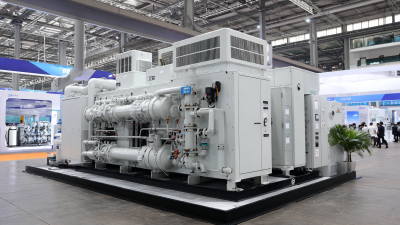
As the world increasingly embraces sustainable living and energy efficiency, heat pumps have emerged as a significant player in the clean energy landscape. The rapid development of air energy heat pumps has marked a pivotal shift, providing eco-friendly heating solutions that align with global carbon reduction strategies. This trend is further enhanced by innovations in heat pump technology, which continue to evolve and improve home comfort while reducing environmental footprints.
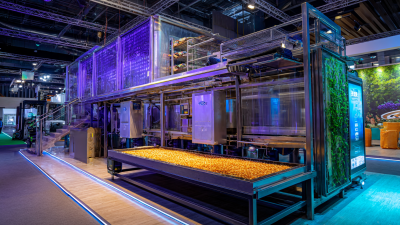
Leading the charge in this sector are companies focused on integrating advanced technologies into heat pump systems. Recent exhibitions have showcased hybrid systems that not only optimize energy use but also provide seamless comfort control for users. These technological advancements promise to enhance the efficiency of heating and cooling systems in homes, ultimately contributing to a greener, more intelligent housing ecosystem. As the market for clean thermal energy accelerates, the future of home comfort looks bright, with heat pumps at the forefront of this transformative journey.
Unlocking the Future of Home Comfort: Why Heat Pumps Are the Smart Choice for Eco-Friendly Living
| Feature |
Description |
Benefits |
Future Innovations |
| Energy Efficiency |
Heat pumps transfer heat instead of generating it, resulting in higher efficiency. |
Lower energy bills and reduced carbon footprint. |
Development of variable speed technology for enhanced performance. |
| Versatility |
Can be used for both heating and cooling. |
Year-round comfort with one system. |
Integration with smart home systems for optimized climate control. |
| Environmental Impact |
Significantly lower greenhouse gas emissions compared to fossil fuel systems. |
Contributes to a more sustainable future. |
Advancements in refrigerants with lower global warming potential. |
| Noise Levels |
Modern heat pumps are designed to operate quietly. |
Improved comfort in indoor and outdoor environments. |
Further reduction of noise levels using advanced insulation technology. |