How to Choose an Energy Efficient Heat Pump for Your Home?
Choosing the right heat pump for your home is crucial. An energy efficient heat pump can significantly lower your energy bills and reduce your carbon footprint. According to John Smith, a leading expert in HVAC systems, “Investing in an energy efficient heat pump is one of the best decisions a homeowner can make.” His insights emphasize the importance of selecting the right system for comfort and savings.
Homeowners often overlook specific features when choosing heat pumps. It's not just about efficiency ratings. Consider the size, noise levels, and installation needs. Some systems may seem efficient but require extensive maintenance. Ignoring these factors can lead to regrets down the road.
Observing trends in energy consumption is essential. As technology advances, newer models offer enhanced performance. However, older models may still be prevalent in many homes. Buyers need to be diligent in their research. An informed choice ensures a balance between cost, efficiency, and environmental impact. Making decisions without proper information may lead to unnecessary expenses or discomfort. The right energy efficient heat pump is a blend of science and personal preference.
Understanding Energy Efficiency Ratings for Heat Pumps
Choosing an energy-efficient heat pump involves understanding its energy efficiency ratings. These ratings indicate how effectively a heat pump converts electricity into heating or cooling. The Seasonal Energy Efficiency Ratio (SEER) and Heating Seasonal Performance Factor (HSPF) are critical metrics. According to the Department of Energy, a higher SEER rating indicates a more efficient cooling process, while a higher HSPF rating points to better heating efficiency.
Tip: Aim for at least a SEER rating of 16 and an HSPF rating of 9. This can significantly reduce your energy bills. However, it's important to assess your climate. A heat pump that works well in one area might not perform optimally in another.
Energy efficiency can vary due to installation quality and ductwork integrity. Poor installation can compromise the system's efficiency. A report from the American Society of Heating, Refrigerating and Air-Conditioning Engineers highlights that improper sealing can result in a 20% efficiency loss.
Tip: Always hire certified professionals for installation. They understand local codes and can ensure optimal performance. Remember, an efficient heat pump is a long-term investment for comfort and savings.
How to Choose an Energy Efficient Heat Pump for Your Home? - Understanding Energy Efficiency Ratings for Heat Pumps
| Heat Pump Type |
EER Rating |
SEER Rating |
HSPF Rating |
Estimated Annual Energy Cost |
| Air Source Heat Pump |
12 |
15 |
8 |
$1,200 |
| Geothermal Heat Pump |
16 |
20 |
9 |
$800 |
| Ductless Mini-Split Heat Pump |
13 |
18 |
10 |
$1,000 |
| Hybrid Heat Pump |
14 |
19 |
8.5 |
$950 |
Evaluating Different Types of Heat Pumps: Air Source vs. Ground Source
When considering heat pumps for home heating and cooling, understanding the differences between air source and ground source heat pumps is crucial.
Air source heat pumps extract heat from the outside air. They work effectively in mild climates. According to the U.S. Department of Energy, these systems can achieve efficiencies exceeding 300%. However, performance diminishes in extreme temperatures, which raises concerns about reliability in colder regions.
Ground source heat pumps, or geothermal systems, draw energy from the ground. This method relies on stable underground temperatures. They are generally more efficient than air source systems, with efficiencies often exceeding 400% in optimal conditions. The initial installation cost can be higher. Yet, the long-term energy savings can offset this expense. A study from the International Energy Agency highlights that ground source systems can reduce heating costs by up to 70%.
Both systems have their merits and drawbacks. Homeowners should consider local climate, installation space, and budget constraints. Seeking professional advice is vital to navigate these complexities. Evaluating system performance in real-world conditions is critical. Depending on your specific situation, you may need to reassess your goals and expectations before making a decision.
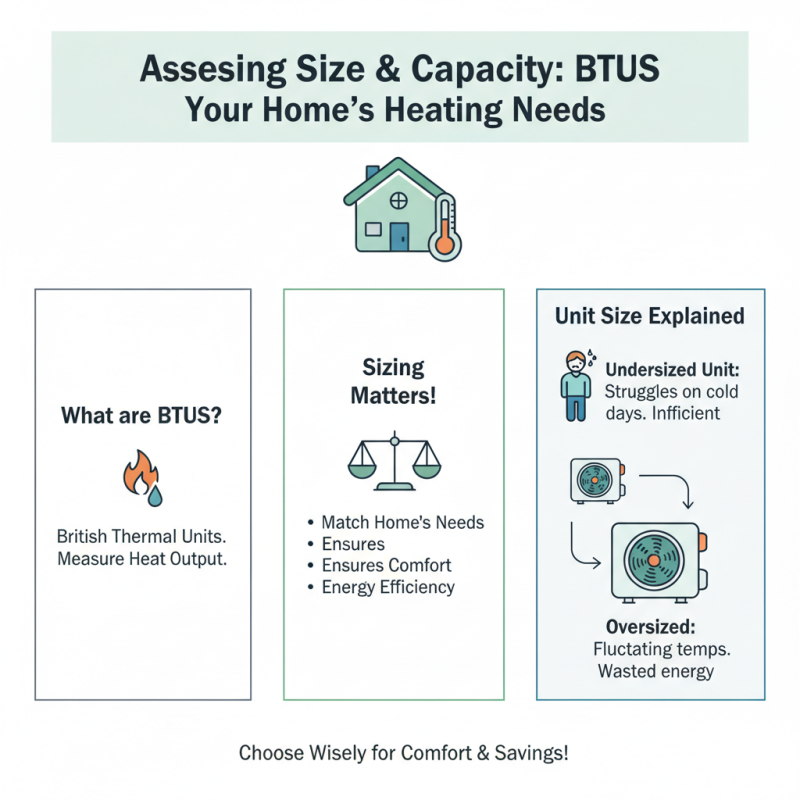
Assessing Size and Capacity: BTUs and Your Home's Heating Needs
When choosing an energy-efficient heat pump, understanding its size and capacity is crucial. BTUs, or British Thermal Units, measure the heat output. For comfort, your heat pump should match your home's needs. An undersized unit will struggle on cold days. Conversely, an oversized unit may lead to fluctuating temperatures.
To determine your requirements, evaluate your home's square footage. Consider insulation levels and window quality. These factors significantly impact efficiency. A well-insulated home may require fewer BTUs. Yet, relying solely on estimates can be misleading. It's advisable to seek professional calculations for a precise match. Mistakes in sizing can result in wasted energy and higher costs.
Reflect on your heating demands throughout the seasons. Some homes may need extra heating for basements or sunrooms. It’s essential to think about your lifestyle as well. A family that’s often home will have different needs than one that’s frequently away. Consider how your choices today affect both comfort and energy bills.
Comparing SEER and HSPF Ratings for Optimal Performance
When selecting an energy-efficient heat pump, understanding SEER and HSPF ratings is crucial.
SEER, or Seasonal Energy Efficiency Ratio, measures cooling efficiency. A higher SEER means better energy savings during hot months. According to the U.S. Department of Energy, a SEER rating above 15 is recommended for optimal performance.
HSPF, or Heating Seasonal Performance Factor, measures heating efficiency. It's essential in cold climates. An HSPF of 8 or higher indicates good efficiency. The U.S. energy information suggests that homes with higher HSPF ratings experience significant savings on energy bills. These ratings ensure that the pump performs well year-round.
When comparing heat pumps, don’t just focus on numbers. Real-world performance can differ. Factors include installation quality and home insulation. Even a highly rated pump can underperform if it’s not installed correctly. It’s wise to analyze your home’s unique needs before making a decision. Choosing based solely on ratings may lead to unexpected expenses.
Exploring Installation Cost vs. Long-Term Savings of Efficient Heat Pumps
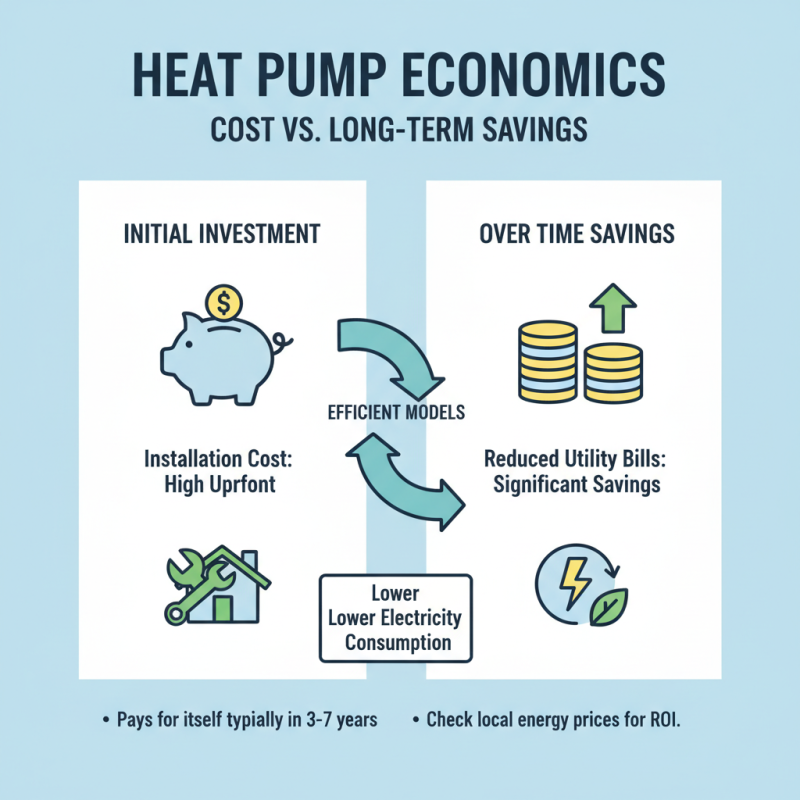
When choosing an energy-efficient heat pump, installation cost and long-term savings are critical factors. The initial investment might seem high, but efficient models often pay for themselves over time. They consume less electricity, which reduces your utility bills significantly. Understanding your local energy prices can provide insight into potential savings.
Consider these tips: Calculate potential tax credits and rebates available in your area. User reviews online can shed light on energy efficiency claims. Also, consult with contractors about installation expenses and any maintenance costs.
Evaluate the size and capacity of heat pumps. A model too small will struggle to heat your space, while an oversized unit will cycle on and off frequently, wasting energy. Take the time to analyze your home’s insulation and design. Think about where the unit will be installed. Placement can impact its efficiency and your comfort at home.