How to Choose the Best Mini Split Heat Pump for Your Home?
Selecting the best Mini Split Heat Pump for your home can be daunting. With numerous brands and models available, homeowners often feel overwhelmed. According to the U.S. Department of Energy, proper sizing and installation can significantly impact energy efficiency and performance. This highlights the importance of making informed choices.
Expert James Lawrence, a leading HVAC consultant, states, “Choosing the right Mini Split Heat Pump can lead to energy savings of up to 30%.” This statement underscores the potential financial benefits of a well-chosen heat pump. However, many neglect crucial factors like insulation, climate, and unit placement. These elements are often overlooked in the rush to install a system.
Moreover, the industry is evolving rapidly, presenting consumers with both opportunities and challenges. Understanding SEER ratings and BTU requirements is essential but can be confusing. This complexity can result in hasty decisions that may not provide optimal comfort or efficiency. Thoughtful reflection on each component of your selection process is vital for long-term satisfaction.
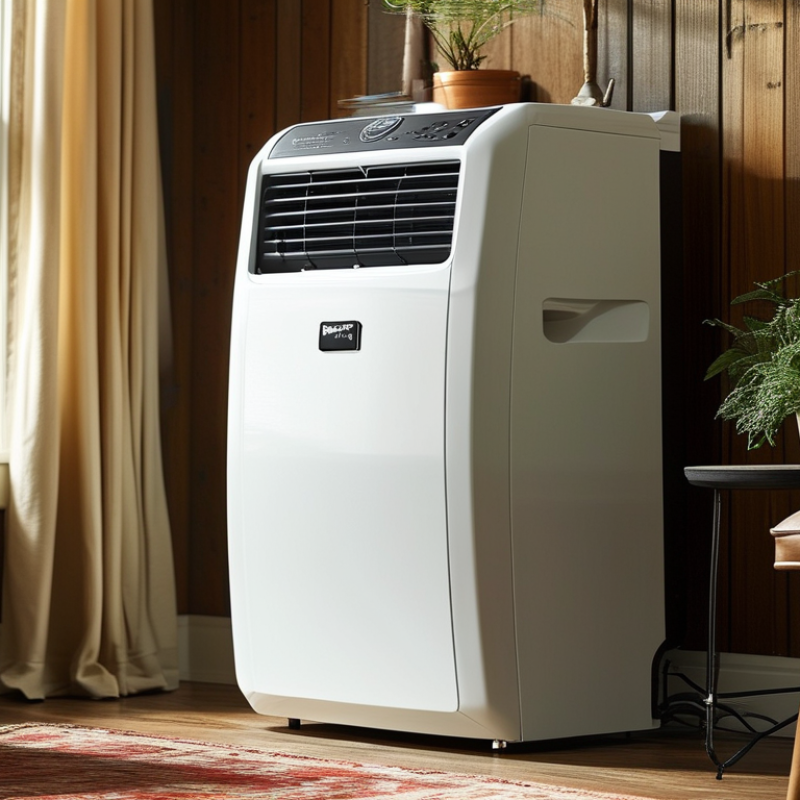
Understanding Mini Split Heat Pumps and Their Benefits
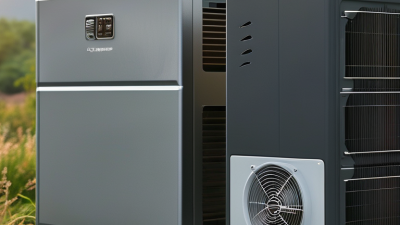
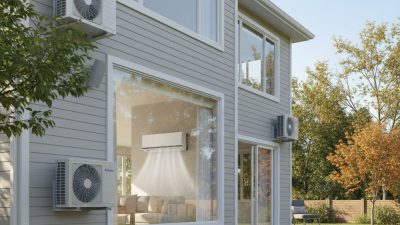
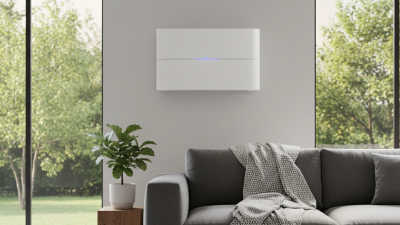
Mini split heat pumps offer an efficient way to regulate home temperatures. They consist of an outdoor compressor unit and one or more indoor air handlers. Their design allows for precise heating and cooling, making them versatile for various climates. These systems provide both warmth in winter and cool air in summer, delivering year-round comfort.
One key benefit is energy efficiency. Mini splits often use inverter technology, which adjusts the compressor speed based on demand. This results in lower energy costs compared to traditional systems. Moreover, they are easier to install. There’s no need for extensive ductwork, allowing for quick setup in most homes. However, some homeowners may worry about maintenance and noise levels. Regular cleaning and upkeep of the indoor units are essential for optimal performance.
Understanding these challenges helps in making informed decisions. Homeowners should consider their specific needs, like room size and layout. Additionally, consulting with professionals can provide insights into the best system for each unique situation. Reflecting on these factors can lead to a more satisfying choice in the long run.
Key Factors to Consider When Choosing a Mini Split Heat Pump
Choosing the right mini split heat pump involves understanding several key factors. The first is the size of the unit. A unit too small won’t effectively heat your home. Conversely, one that is too large can lead to increased energy bills. It's essential to measure your space accurately and account for insulation.
Efficiency ratings matter significantly. Look for a unit with a high Seasonal Energy Efficiency Ratio (SEER) rating. A higher SEER means more efficiency. However, achieving efficiency also means considering factors like local climate and installation quality. Professionals can provide invaluable insight here.
Noise levels can be understated yet crucial. Some models are quieter than others, which matters in residential settings. It's worth researching decibel ratings. Additionally, consider features like smart technology. These capabilities can enhance convenience but can sometimes complicate use. You don’t want to find out too late that the unit is more complicated than expected. Balancing these factors will lead you to the best mini split heat pump for your home.
Assessing Sizing and Capacity for Your Home's Heating Needs
When selecting a mini split heat pump, sizing and capacity are crucial. Each home is unique. Start by evaluating the square footage of the area you want to heat or cool. Commonly, homes need about 20 BTUs per square foot. However, factors such as ceiling height and insulation quality can affect this number. Older homes might have different heating needs.
Consider outdoor temperature ranges in your area. A mini split must perform efficiently in extreme weather. Seek out a heat pump's heating capacity rating. This rating should match your home’s specific climate and size. It may involve some math, but understanding these elements leads to better energy efficiency.
Sometimes, homeowners overlook window sizes and placement. Large windows increase heat loss. This can require a more powerful system than initially calculated. Consulting with a professional can provide expert insights tailored to your home’s layout. Measure carefully and think critically about these details. They matter more than you may realize.
How to Choose the Best Mini Split Heat Pump for Your Home? - Assessing Sizing and Capacity for Your Home's Heating Needs
| Home Size (sq ft) |
Recommended BTU/hr |
Number of Zones |
Energy Efficiency Rating (SEER) |
Estimated Cost Range ($) |
| 300-600 |
9,000-12,000 |
1 |
16-20 |
$1,500 - $3,000 |
| 600-1,000 |
12,000-18,000 |
1-2 |
16-20 |
$2,000 - $4,000 |
| 1,000-1,500 |
18,000-24,000 |
2-3 |
16-20 |
$3,500 - $6,000 |
| 1,500-2,000 |
24,000-30,000 |
3-4 |
16-20 |
$5,000 - $8,000 |
Exploring Energy Efficiency Ratings and Features
When selecting a mini split heat pump, energy efficiency is crucial. Look for the Seasonal Energy Efficiency Ratio (SEER) rating. Higher SEER ratings mean better efficiency and savings on energy bills. A model with a SEER of 20 can offer significant long-term savings compared to one rated at 14.
Another essential feature is the Heating Seasonal Performance Factor (HSPF). This rating reflects the heat pump's efficiency in heating mode. Ideally, choose a unit with an HSPF above 8.2 for optimal performance. Some systems may include variable speed technology. This improves energy efficiency by adjusting output based on heating or cooling needs.
Consider additional features such as programmable thermostats and smart controls. These can enhance comfort and efficiency. However, not all features deliver equal benefits. Evaluate whether you truly need these extras based on your lifestyle. The best choice balances efficiency and practicality. Making an informed decision requires exploring all available specifications and comparing them thoughtfully.
Installation Considerations and Maintenance Tips for Longevity
When selecting a mini split heat pump, installation and maintenance play crucial roles in its longevity. Reports show that proper installation impacts efficiency by up to 30%. An improperly installed unit can lead to air leaks, affecting comfort and increasing energy bills. Ensuring correct placement of indoor and outdoor units is key. The indoor unit should be located in an area where air can circulate freely. Avoid placing it near heat sources or in corners.
Regular maintenance is vital. Experts recommend cleaning or replacing filters every month. Dirty filters can reduce airflow and cause the unit to work harder. This can increase energy usage by 5% to 15%. An annual professional service check can identify potential issues before they escalate. Check refrigerant levels and inspect for leaks; both can affect performance significantly.
Tips for long-term efficiency include setting your thermostat wisely. Consider using programmable settings to optimize comfort without overworking your heat pump. Proper insulation and sealing gaps in your home can also minimize the burden on your heat pump, improving performance and reducing wear.