Top Benefits of Using an Airconditioner Inverter for Your Home Efficiency?
In today's world, energy efficiency is crucial for homeowners. The rising energy costs and environmental concerns push families to seek smarter solutions. One such solution is the "Airconditioner Inverter." This technology has transformed how we approach cooling systems.
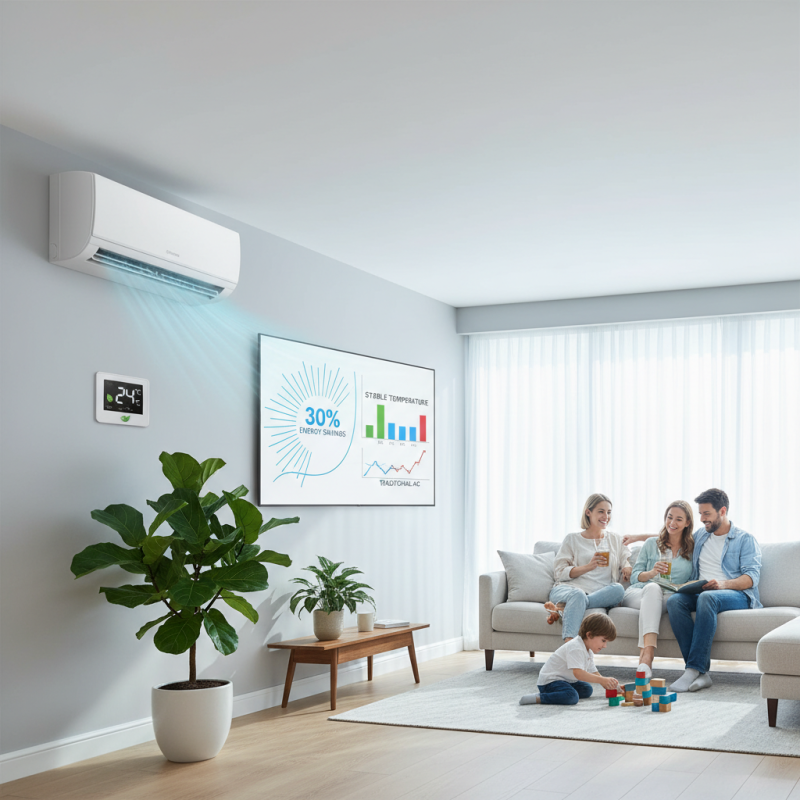
According to a report by the International Energy Agency (IEA), HVAC systems account for approximately 40% of energy usage in residential buildings. An Airconditioner Inverter can reduce energy consumption by up to 30% compared to traditional units. This significant reduction not only lowers utility bills but also minimizes carbon footprints.
Moreover, the enhanced performance of these inverters involves operating without frequent on-and-off cycles. This results in a more stable indoor climate, contributing to better health and comfort. However, these systems can be initially more expensive to install. The long-term savings and efficiency benefits often outweigh these upfront costs. Thus, investing in an Airconditioner Inverter may be a prudent choice for many households. Yet, consumers must evaluate their specific needs and circumstances carefully.
Key Features of Air Conditioner Inverters for Home Use
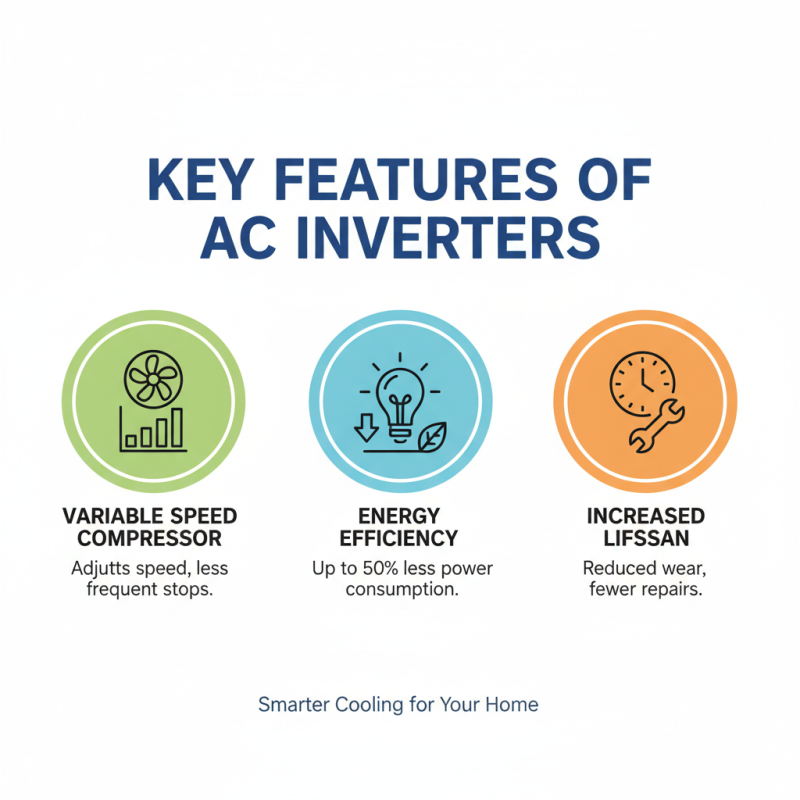
Air conditioner inverters are gaining popularity for their impressive energy efficiency. One key feature is their variable speed compressor. Unlike traditional units that start and stop frequently, inverter systems adjust their speed to match the cooling needs. This results in reduced energy consumption and less wear on components. A more extended lifespan and fewer repairs often follow.
Another significant aspect is their quieter operation. Inverter technology minimizes noise by running at lower speeds when conditions allow. This creates a comfortable living environment without the disruptive sounds common in older models. Improved control over indoor temperatures is another benefit. Inverters can maintain a stable temperature, avoiding the uncomfortable fluctuations that can occur with traditional air conditioners.
However, the initial investment can be daunting. Many homeowners hesitate due to upfront costs, despite long-term savings. Additionally, installation requires specialized skills, which could lead to potential setbacks. Understanding these challenges can help make an informed decision. Emphasizing energy efficiency and a comfortable atmosphere remains key in the discussion.
Energy Efficiency Advantages of Air Conditioner Inverters
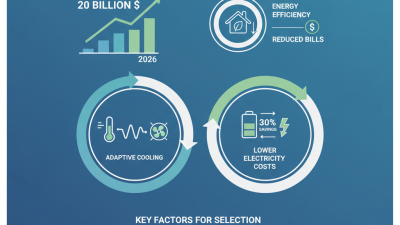
Air conditioner inverters have become popular due to their energy efficiency. Unlike traditional units, these inverters adjust compressor speed based on cooling needs. This leads to less energy wastage and lower utility bills. Homes using inverter technology can experience up to 30% savings on electricity costs.
The technology behind inverter air conditioners also enhances comfort. These units can maintain a consistent temperature, eliminating hot and cold spots in your home. You’ll notice a cool, pleasant environment without constant changes in airflow. In addition, inverter systems operate more quietly, creating a peaceful living space.
When considering an inverter air conditioner, here are a few tips. Ensure proper installation by hiring a professional. This can make a significant difference in efficiency. Regular maintenance is essential as well. Clean filters and check the refrigerant levels at least once a year. This ensures optimal performance and helps avoid costly repairs. Investing in this technology can lead to long-term benefits, both for your wallet and your comfort.
Cost Savings with Air Conditioner Inverter Technology
Air conditioner inverter technology offers significant cost savings for homeowners. Unlike traditional units, inverters adjust their cooling capacity based on the specific needs of the space. This leads to fewer energy spikes and lowers electricity bills. By running more efficiently, inverters consume less power over time. Homeowners often see a noticeable difference in their monthly energy expenses.
One effective tip for maximizing savings is regular maintenance. Clean filters and coils improve efficiency and reduce energy use. Additionally, ensure that your system is properly sized for your home. An oversized unit may cool quickly but consumes more energy in the long run.
Consider investing in smart thermostats that work in conjunction with your inverter system. These devices allow for precise control of cooling schedules. You might notice further reductions in your costs. Paying attention to usage patterns can further identify opportunities for savings. Your air conditioning system should adapt to your lifestyle. This approach ensures that you enjoy comfort without overspending.
Top Benefits of Using an Air Conditioner Inverter for Your Home Efficiency
This chart illustrates the cost savings and energy efficiency benefits of using an air conditioner inverter compared to traditional air conditioning systems. The data reflects common energy savings experienced by homeowners who switch to inverter technology.
Improved Comfort Levels through Inverter Air Conditioning
Inverter air conditioning systems are designed to provide superior comfort levels in your home. Unlike traditional units, they adjust their cooling output according to your needs. This means that when the room reaches your desired temperature, the compressor will slow down rather than turn off completely. You’ll experience a more consistent temperature, reducing the uncomfortable fluctuations common with non-inverter systems.
The quiet operation of inverter models is another significant advantage. They run at lower speeds, which reduces noise and creates a peaceful environment. Imagine enjoying a conversation or watching TV without the disruptive sound of a loud air conditioner. Additionally, inverter air conditioners often have advanced features like smart sensors. These sensors assess the room's temperature and humidity levels, automatically optimizing performance.
However, installing an inverter model can be a larger upfront investment compared to standard units. Homeowners should reflect on their specific needs and budget before making a decision. It's essential to consider long-term energy savings against initial costs. While inverter air conditioners can improve comfort and energy efficiency, understanding all factors is vital for making an informed choice.
Top Benefits of Using an Airconditioner Inverter for Your Home Efficiency
| Benefit |
Description |
Impact on Efficiency |
| Energy Savings |
Inverter technology adjusts the compressor speed to maintain the desired temperature, resulting in less energy consumption. |
Reduces electricity bills by up to 30%. |
| Improved Comfort |
Provides consistent cooling or heating without fluctuations in temperature, enhancing indoor comfort. |
Enhances overall living experience. |
| Quieter Operation |
Inverter air conditioners operate more quietly compared to traditional units, making them suitable for bedrooms and quiet spaces. |
Increases usability in noise-sensitive environments. |
| Environmentally Friendly |
Lower energy consumption leads to reduced carbon footprint, making inverter air conditioners a greener choice. |
Contributes to sustainable living practices. |
| Longer Lifespan |
The gradual adjustment of compressor speed reduces wear and tear, extending the lifespan of the unit. |
Minimizes replacement and maintenance costs. |
Environmental Benefits of Using Air Conditioner Inverters
Air conditioner inverters play a crucial role in
improving home efficiency. These systems adapt their cooling output based on the indoor temperature. This feature
reduces energy consumption and lowers carbon emissions. The result is a more sustainable home environment. Traditional
AC systems often have a negative environmental impact. They operate in an on-off manner, wasting energy during each
start-up. In contrast, inverters maintain a constant temperature, ensuring optimal energy use.
Beyond energy savings, inverter technology enhances air quality. By providing consistent cooling, these systems help
prevent humidity buildup. Lower humidity levels lead to reduced mold growth and a healthier living space. While some
homeowners may hesitate due to initial costs, the long-term savings are notable. Investing in an inverter system means less frequent maintenance and longer equipment lifespan.
However, it's essential to consider that not all homes are suited for inverter systems. Some older ductwork may
require upgrades. Homeowners should evaluate existing infrastructure before installation. Consulting with
professionals can provide valuable insights. It's important to balance environmental benefits with practical limitations.
Understanding this can lead to more informed decisions for sustainable living.