What are the Benefits of High Temperature Heat Pumps?
The adoption of High Temperature Heat Pumps (HTHPs) is rapidly gaining traction in various sectors. According to the recent report by the International Energy Agency, HTHPs can significantly reduce carbon emissions by up to 70% compared to traditional heating systems. This reduction is critical as the world pushes towards more sustainable energy solutions.
Dr. James Hartley, a leading expert in thermal energy systems, states, "High Temperature Heat Pumps represent a breakthrough in energy efficiency, offering both economic and environmental benefits." His insights highlight the importance of integrating HTHPs into industrial processes, which often require elevated temperatures for operations.
HTHPs can heat water to temperatures exceeding 90°C, making them suitable for many applications. However, the initial investment may pose a challenge for some businesses. Limited awareness and technical knowledge also hinder the adoption of this innovative technology. Nonetheless, as industries seek to lower operational costs and meet stricter environmental regulations, HTHPs could emerge as a game-changer in the energy landscape.
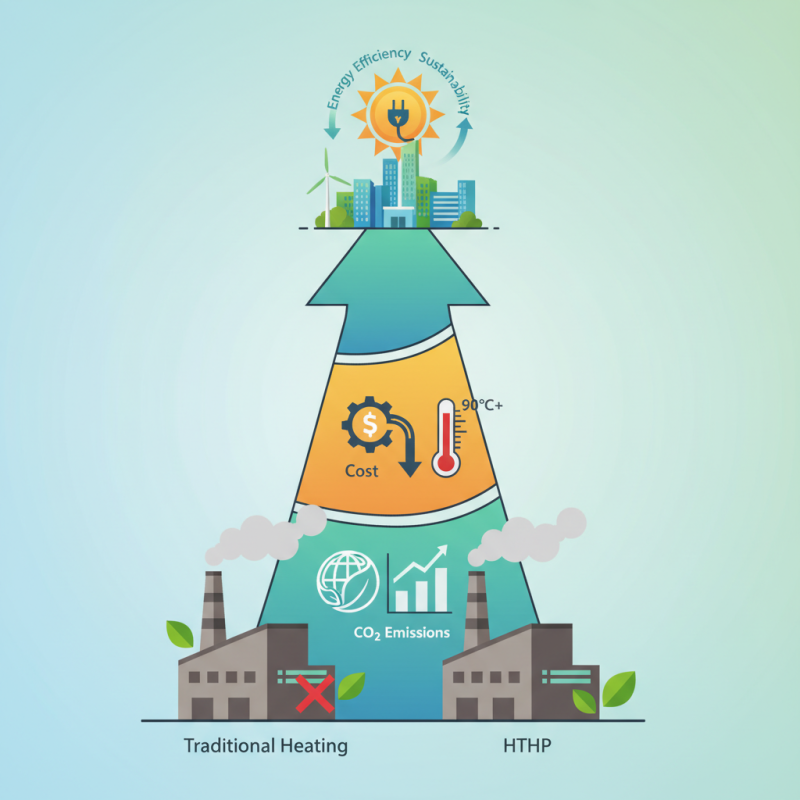
Overview of High Temperature Heat Pumps
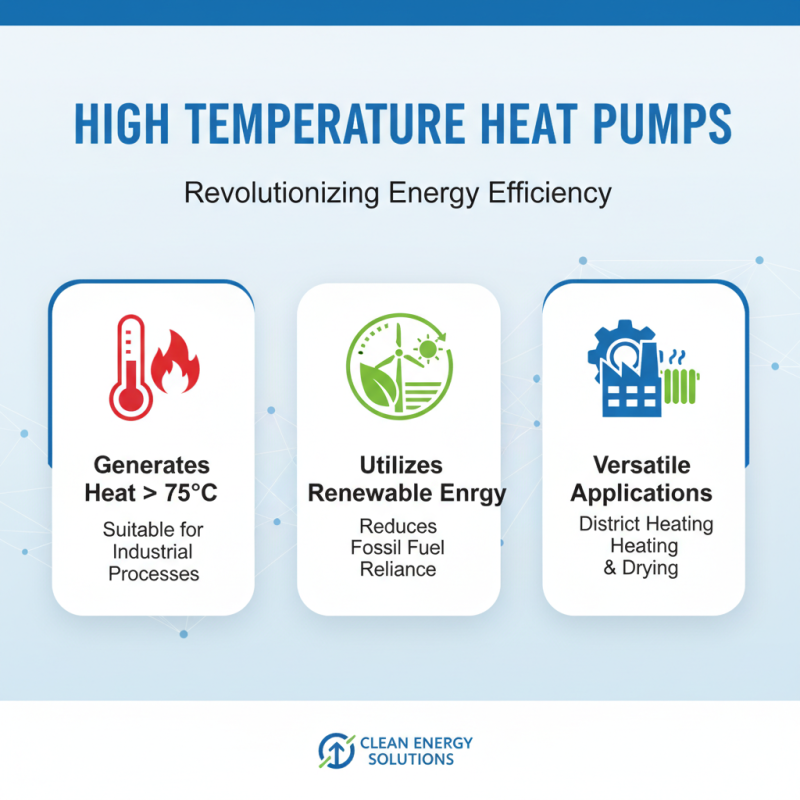
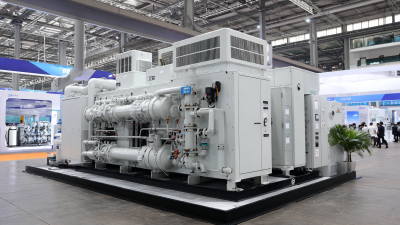
High temperature heat pumps are revolutionizing how we think about energy efficiency. These systems can generate heat above 75 degrees Celsius, making them suitable for various applications, including industrial processes. They effectively utilize renewable energy sources, reducing reliance on conventional heating methods.
Installing high temperature heat pumps requires careful planning. It's essential to consider factors such as the desired temperature and the size of your facility. Proper installation can lead to significant heat recovery. Many users note the initial setup cost can be high, yet operational savings often outweigh these costs in the long run. This makes detailed planning vital.
**Tip:** Conduct an energy audit before installation. This can help identify specific heating needs and potential savings.
Another challenge lies in selecting the right technology. Not all high temperature heat pumps are created equal. Understanding their efficiency ratings and operational limits is crucial. Some may struggle to meet peak load demands.
**Tip:** Consult with industry specialists for tailored advice on technology choices. They can provide insights into optimizing performance and ensuring reliability.
Key Applications of High Temperature Heat Pumps
High temperature heat pumps are becoming increasingly important in various industries. They efficiently provide heating solutions for processes that require elevated temperatures. One key application is in the food industry. Certain food processing tasks necessitate heating beyond 70°C. High temperature heat pumps can meet this demand while reducing energy costs and carbon emissions.
Another vital application is in the chemical sector. Many reactions occur at high temperatures, often between 100°C and 200°C. Heat pumps can recover waste heat from these processes. This recovered energy can then be reused, improving operational efficiency. Industries that adopt this technology often lower their energy expenditure significantly.
Moreover, high temperature heat pumps are beneficial for district heating systems. Communities can utilize these systems to deliver heat to multiple buildings. This setup promotes a shared approach to energy consumption. However, implementing such systems can be challenging. It requires careful planning and knowledge about local energy needs.
Advantages for Energy Efficiency and Cost Savings
High temperature heat pumps offer significant advantages when it comes to energy efficiency. According to the International Energy Agency, these systems can achieve energy savings of up to 50% compared to traditional heating methods. This efficiency results in lower energy bills. For many households, this translates to a considerable reduction in monthly expenses.
The operational costs of heat pumps often decrease as energy efficiency increases. A report from the U.S. Department of Energy highlights that using heat pumps can save homeowners over $1,000 annually on energy expenses. Such cost savings are particularly notable during peak heating seasons when traditional systems typically struggle to maintain comfort while driving up energy use.
Tips for maximizing energy efficiency with high temperature heat pumps include regular maintenance and optimizing the thermostat settings. Ensure that the system is checked annually by a professional. Regular cleaning can boost efficiency. Additionally, set the thermostat to a consistent temperature, as frequent adjustments can lead to unnecessary energy expenditure.
Embracing high temperature heat pumps not only supports eco-friendly practices but also presents long-term financial benefits. It's crucial for homeowners to weigh these potential savings against the initial investment cost. Understanding the balance of immediate expenses and future savings is essential in making informed decisions about installation.
Environmental Benefits of Using High Temperature Heat Pumps
High temperature heat pumps offer significant environmental benefits. These systems can provide efficient heating while reducing greenhouse gas emissions. According to the International Energy Agency, heat pumps can cut carbon emissions by up to 50% compared to traditional fossil fuel options. This is essential as many countries aim for net-zero targets.
One major advantage of high temperature heat pumps is their ability to utilize renewable energy sources. They can operate effectively with electricity from wind or solar power. Studies indicate that this integration can significantly lower energy costs for consumers. However, the reliance on consistent renewable energy sources can present challenges. Variability in supply could affect heating during peak demands.
Tips: Always assess the local energy mix. Regions with a high percentage of renewables will see the most benefits. Also, consider the initial investment. While upfront costs might be high, long-term savings often outweigh them. It's essential to ensure that these systems are installed by experienced professionals to maximize their efficiency and reliability. Reflect on the overall impact of your energy choices. Every small step contributes to a healthier planet.
Benefits of High Temperature Heat Pumps
High temperature heat pumps offer several significant benefits, including improved energy efficiency, reduced greenhouse gas emissions, substantial cost savings, versatility in applications, and a positive impact on the environment. The above chart illustrates the percentage impact of these benefits, highlighting their importance in sustainable energy solutions.
Technological Innovations and Future Trends in High Temperature Heat Pumps
High temperature heat pumps are revolutionizing energy efficiency in industrial applications. Recent studies project a market growth rate of over 20% by 2025. This technology, originally limited in its applications, is now being adapted for diverse sectors, including manufacturing and food processing. Innovations such as variable speed compressors enhance flexibility. Additionally, improved heat exchange materials boost heat transfer efficiency, pushing operational capabilities beyond traditional limits.
Tips: When considering high temperature heat pumps, analyze the energy savings metrics. Understanding the payback period is crucial. Innovations continue to emerge. However, some systems may present complex installation processes that require specialized knowledge, which must be factored into project timelines.
Recent advancements have also focused on integrating artificial intelligence for predictive maintenance. This allows real-time data analysis, optimizing systems proactively. However, the reliance on technology introduces a challenge: dependence on regular software updates and system monitoring. Balancing high-tech solutions with practical maintenance practices is essential for manufacturers looking to leverage this technology effectively.