- Home
- >
- Knowledge Center
- >
- Blogs
Blogs
Sharing knowledge is key to an innovative and healthy industry! This knowledge center is therefore a central place on our website to share information. Read all about our industry in the blogs below!
7 Tank Tainer Buying Tips for Global Buyers
Buying a Tank Tainer is not just a matter of comparing prices. It is a decision about cargo compatibility, equipment condition, operating costs, and service life. A tank that looks sound in a photograph may still have worn valves, unclear maintenance records, or a configuration that does not fit your operation. Small details matter. A seal, a test date, or a missing document can change the value of the purchase.
Tank Tainer procurement specialist Elena Ward puts the principle plainly: “Buy the verified condition and support behind the tank, not just the steel you can see.” This guide explores seven practical checks for global buyers, from capacity and material specifications to inspection records, supplier support, and total cost of ownership. The right questions can help you compare offers with greater confidence. Yet no checklist replaces a qualified inspection. That is worth remembering.
A careful review should connect the tank’s intended use with its technical documentation and observed condition. Ask how it was maintained. Check what is included in the quoted price. Clarify delivery arrangements and after-sale support before committing. These steps may feel slow when a deal looks attractive. Still, rushing can leave costly gaps. The seven tips ahead offer a grounded starting point for buyers seeking reliable equipment and clearer purchasing decisions.
Understanding Tanktainers and Their Intended Applications
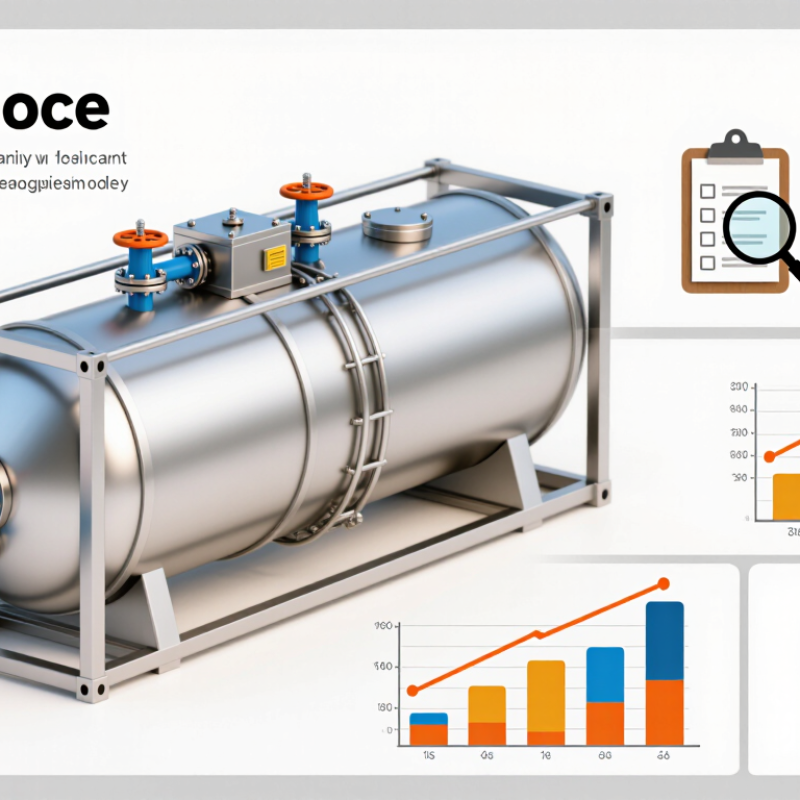
A tanktainer, often called a tank container, is a liquid-carrying vessel secured inside a standard freight frame. The frame supports lifting and transport, while the tank holds the product. Many units use stainless steel, insulation, or heating equipment, depending on the cargo and operating conditions. They are designed for intermodal movement, so the same loaded unit can travel by ship, rail, and road without transferring its contents at each changeover. That reduces handling, but does not remove the need for careful checks.
Tanktainers are used for compatible food-grade liquids, industrial liquids, and certain gases. Not every liquid. Product compatibility, viscosity, temperature limits, pressure requirements, and cleaning standards all affect whether a unit is suitable. For example, a liquid that thickens in cold weather may need insulation or controlled heating; a sensitive food product may require verified cleaning records and suitable contact surfaces. Buyers should confirm specifications against the actual product and route, not rely on a broad category such as “liquid cargo.” In practice, a tidy specification sheet can miss real operating details, such as long waits in cold terminals or limited heating access. Those conditions deserve a second look before purchase.
Defining Cargo, Capacity, and Regulatory Requirements
A tanktainer should match the cargo before it matches a price list. Record the product’s density, viscosity, loading temperature, and cleaning needs. These details affect the tank’s material, fittings, insulation, and heating options. A tank’s stated volume is not its usable payload. Check the cargo weight against the permitted gross mass and route limits. Leave suitable expansion space; filling levels depend on the cargo and applicable rules.
Tips: Request the tank specification, inspection records, and current certificates. Confirm the maximum working pressure and temperature. Compare the tank’s usable capacity with your planned shipment, not just its nominal volume. Measure twice.
Regulatory checks deserve the same attention as capacity. Requirements can vary by cargo classification, transport mode, and route. Verify applicable tank approvals, test dates, labels, and documentation with a qualified compliance specialist or carrier. Do this before booking. A document that worked on one route may not meet another route’s requirements. It is easy to focus on the purchase price and overlook cleaning access or connection compatibility. Recheck those assumptions with the loading and receiving teams; small mismatches can cause delays.
7 Tank Tainer Buying Tips for Global Buyers — Defining Cargo, Capacity, and Regulatory Requirements
Start with the cargo, then confirm the tank’s usable capacity, materials, pressure and temperature ratings, and route-specific compliance. The chart shows the approximate external dimensions of a standard 20-foot container envelope; tank configuration and usable capacity vary, so verify the individual unit’s specifications.
Comparing Tank Types, Materials, and Technical Specifications
Tank type should match the cargo’s physical properties and handling route. Standard liquid tanks suit many non-viscous products, while insulated or heated tanks help maintain temperature-sensitive liquids. Gas tanks require different pressure specifications and fittings. The International Tank Container Organisation’s 2024 Global Tank Container Fleet Survey estimated about 801,800 tank containers worldwide at year-end 2023. That scale makes clear, comparable specifications essential.
Shell material matters. Stainless steel, commonly 316L, may suit many products, but confirm chemical compatibility and request material certificates. Lined carbon-steel tanks can work for selected cargoes; the lining must match the product and cleaning process. Small details matter. Compare working and test pressure, capacity, tare weight, payload, insulation, heating coils, valve positions, and baffles. A spec sheet can look complete and still leave a cleaning question unanswered. Check current ISO 1496-3 and CSC documentation, and verify that the stated payload fits your route limits. ITCO’s fleet figure describes equipment numbers, not suitability for a specific shipment. That distinction is easy to miss.
Evaluating Suppliers, Certifications, and Total Purchase Costs
7 Tank Tainer Buying Tips for Global Buyers
Evaluating Suppliers, Certifications, and Total Purchase Costs
Supplier evaluation should go beyond comparing unit prices. The International Tank Container Organisation’s 2024 fleet survey estimated 801,800 tank containers worldwide. That scale makes supplier capacity and after-sales support important, but fleet size alone does not prove quality. Ask for traceable inspection records, repair history, spare-parts availability, and clear delivery terms. Check that the proposed tank’s design and operating limits suit your cargo and routes.
Tip: Request copies of the CSC safety approval and relevant inspection documents. Confirm the tank’s design standard, such as ISO 1496-3, and verify that required approvals match its intended transport modes. Check inspection dates and the condition of valves, gaskets, and heating equipment. Small details matter.
Compare total purchase costs, not just the quoted price. Include inland delivery, taxes, initial inspection, cleaning, repairs, and expected repositioning. Ask suppliers to separate included work from optional charges. A low-priced tank may need costly valve replacement or refurbishment before service. Conversely, a higher quote may include useful inspection or delivery work. Build a simple cost sheet with assumptions and request written confirmation for uncertain items. Even a careful comparison can miss local operating costs; leave room to review them before placing the order.
7 Tank Tainer Buying Tips for Global Buyers - Evaluating Suppliers, Certifications, and Total Purchase Costs
| Buying tip | What to evaluate | Evidence to request | Cost or risk to consider |
|---|---|---|---|
| 1. Define the cargo and service requirements | Confirm cargo properties, operating temperature, required capacity, loading and discharge connections, and intended transport modes. Check material compatibility with the tank, lining, seals, and fittings. | A written cargo specification, operating conditions, route plan, and review by a qualified tank or dangerous-goods specialist where applicable. | An unsuitable specification can lead to rejected cargo, extra cleaning, product contamination, or modifications after delivery. |
| 2. Verify the supplier’s capability | Assess relevant manufacturing or refurbishment experience, quality controls, traceability, after-sales support, spare-parts access, and ability to meet the required delivery schedule. | References for comparable projects, a documented quality process, production or inspection records, warranty terms, and a clear service-contact procedure. | Consider the cost of delays, unavailable parts, warranty exclusions, and service support across the tank’s operating locations. |
| 3. Check design standards and transport approvals | Confirm the tank’s design and intended use align with applicable requirements. ISO 1496-3 covers specifications and testing for tank containers; dangerous-goods approvals depend on the cargo and transport rules that apply. | Design approval documentation, test records, and the tank’s identification and approval markings. Verify applicability against the planned routes and modes. | A tank approved for one use or route may not meet requirements for another. Resolve approval gaps before purchase and dispatch. |
| 4. Inspect certification and examination records | Check the CSC safety approval plate where applicable, tank identification, pressure-test status, and required inspection or examination dates. ISO 9001 relates to an organization’s quality management system; it is not, by itself, product approval for a tank. | Legible plate details, certificates matched to the tank serial number, inspection reports, and confirmation of the applicable examination schedule under the governing regulations. | An expired, missing, or mismatched record may require inspection, testing, repairs, or approval work before the tank can be used. |
| 5. Review condition and included equipment | For a new or used unit, check the frame, tank shell, insulation or cladding, valves, manlid, gaskets, fittings, and visible signs of corrosion, impact, leakage, or repair. | A dated inspection report, photographs, repair history, equipment list, and independent pre-shipment inspection if warranted. | Include likely repair, replacement, cleaning, and re-inspection costs—not just the purchase price. |
| 6. Calculate the landed and lifecycle cost | Compare like-for-like quotations and calculate total purchase cost: unit price + inspection or modifications + inland transport + ocean freight + insurance + duties and taxes + port or handling charges. | An itemized quotation, agreed delivery terms, freight and insurance estimates, tariff classification, applicable tax information, and a list of buyer-paid charges. | Also budget for financing, periodic examinations, maintenance, cleaning, storage, repositioning, and end-of-life costs over the expected service period. |
| 7. Secure clear delivery and warranty terms | Agree the delivery location and schedule, acceptance criteria, document handover, warranty scope and duration, claims process, and responsibility for transit damage. | A signed purchase specification, delivery and inspection procedure, warranty document, payment milestones, and a complete handover pack. | Clarify exclusions, claim deadlines, and who pays for corrective work, return transport, or replacement parts if the unit fails acceptance. |
Inspecting the Tanktainers and Planning Delivery and Ongoing Support
Before approving a tanktainer, inspect the unit itself, not only its paperwork. Walk around the frame and look for fresh weld marks, distortion, corrosion, and damaged corner castings. Check the shell for dents, then examine the manway, gaskets, valves, and discharge fittings for wear or residue. Ask to see current inspection and pressure-test records, and match the identification details to the equipment. Photos help, but they cannot reveal every defect. They are not enough. If possible, have a qualified inspector verify the condition and confirm that the tank’s materials and rating suit the intended product and temperature. Small omissions matter.
Delivery planning deserves the same attention. Confirm pickup and arrival dates, lifting arrangements, site access, and who handles local positioning. A tank may be ready at the depot yet delayed by a missing chassis or an unavailable crane. Clarify cleaning expectations, document handover, emergency contacts, and empty-return responsibilities before shipment. Ask how quickly technical support responds, where common spare parts are held, and what happens if a valve leaks or a sensor fails. Even a careful checklist can miss one handoff, so write each responsibility down and test the contact route before dispatch.
Related Posts
-
How to Choose the Right Tank Tainer for Your Business
-
2026 Top Iso Tank Container Types for Global Buyers
-
Why Choose a Tank Container for Global Shipping?
-
Exploring the Features and Applications of Best Iso Tank Containers: A Comprehensive Guide
-
China Top ISO Tank Container Manufacturers Suppliers
-
China Best Iso Tank Container Manufacturers?